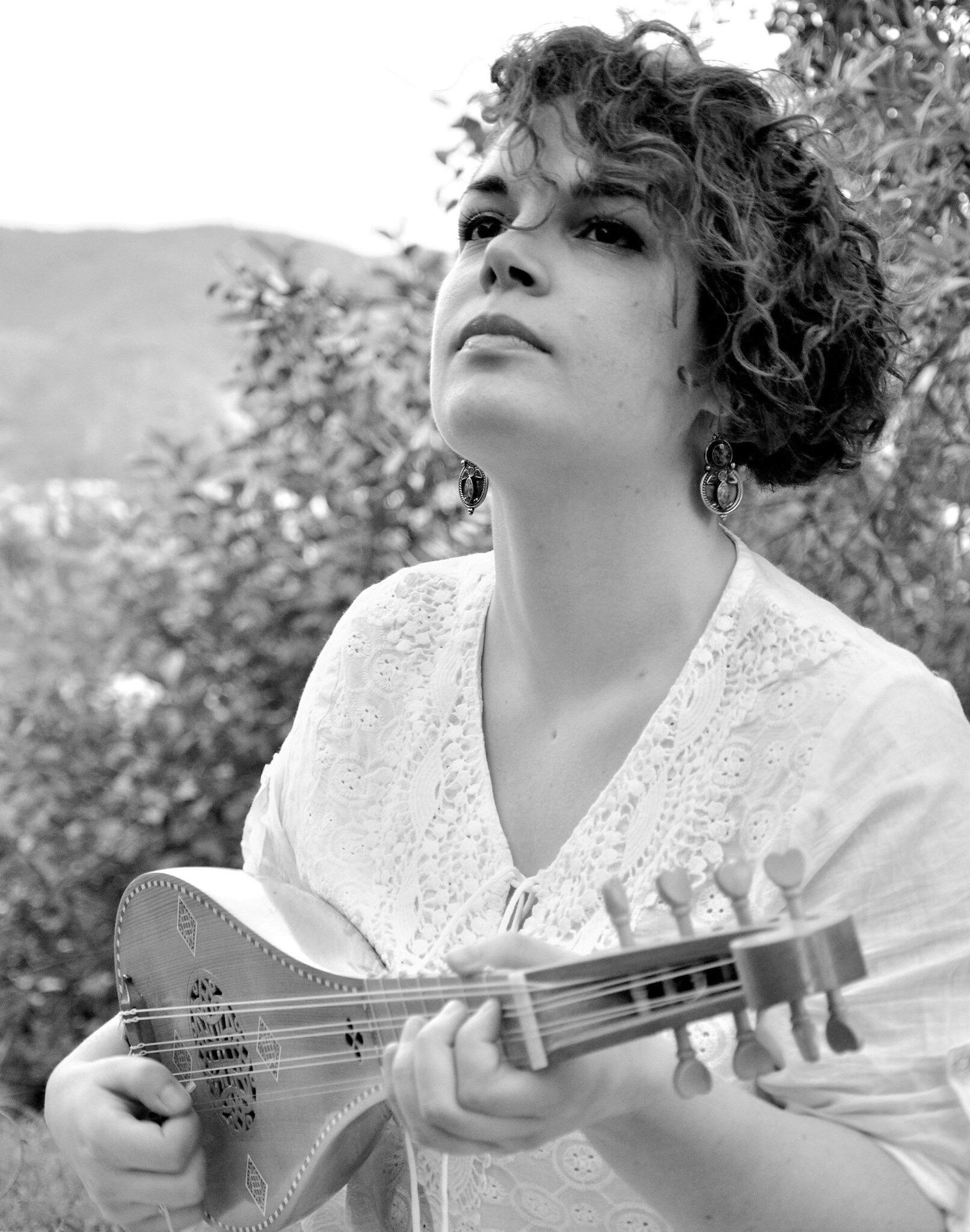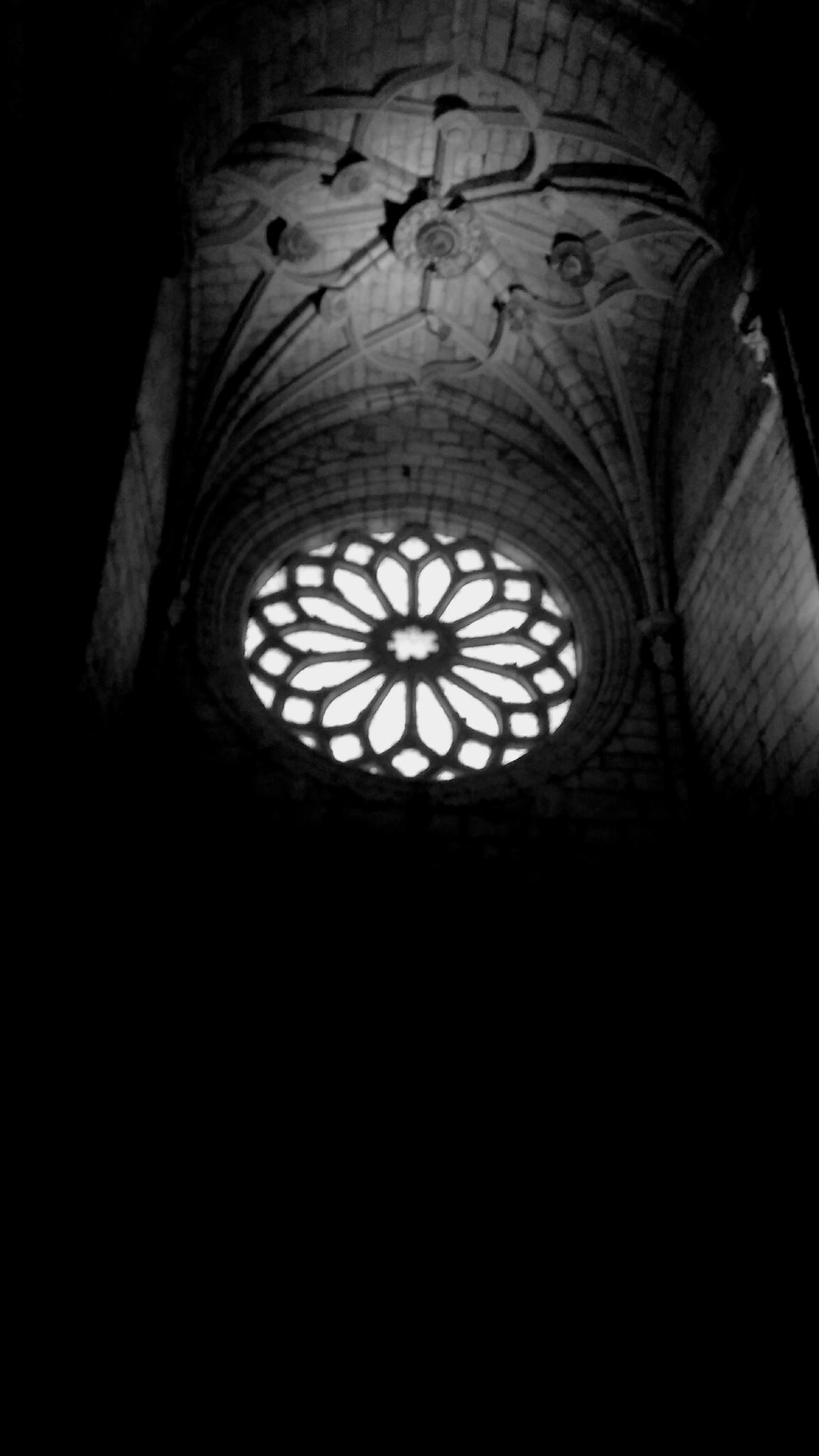
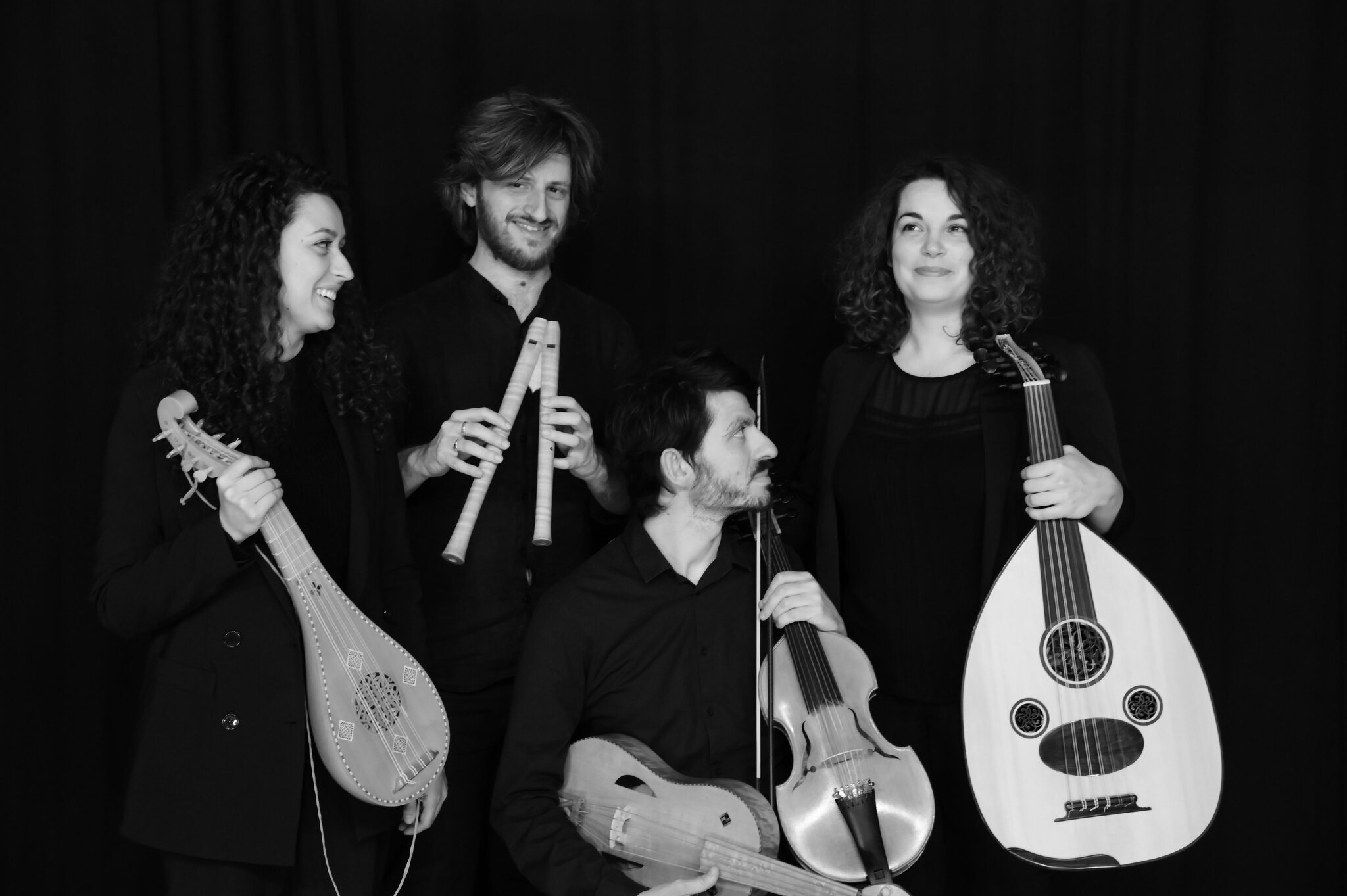
Fragmenta was born from an image: a fragment of a 14th century rose window, broken by an ear thquake yet still luminous among the rubble. That resistance of beauty became the spirit of the project — a collective of musicians devoted to recovering and performing repertoires from the margins of the late Middle Ages (12th–15th centuries), drawn from flyleaves, dismembered codices, and forgotten parchments.
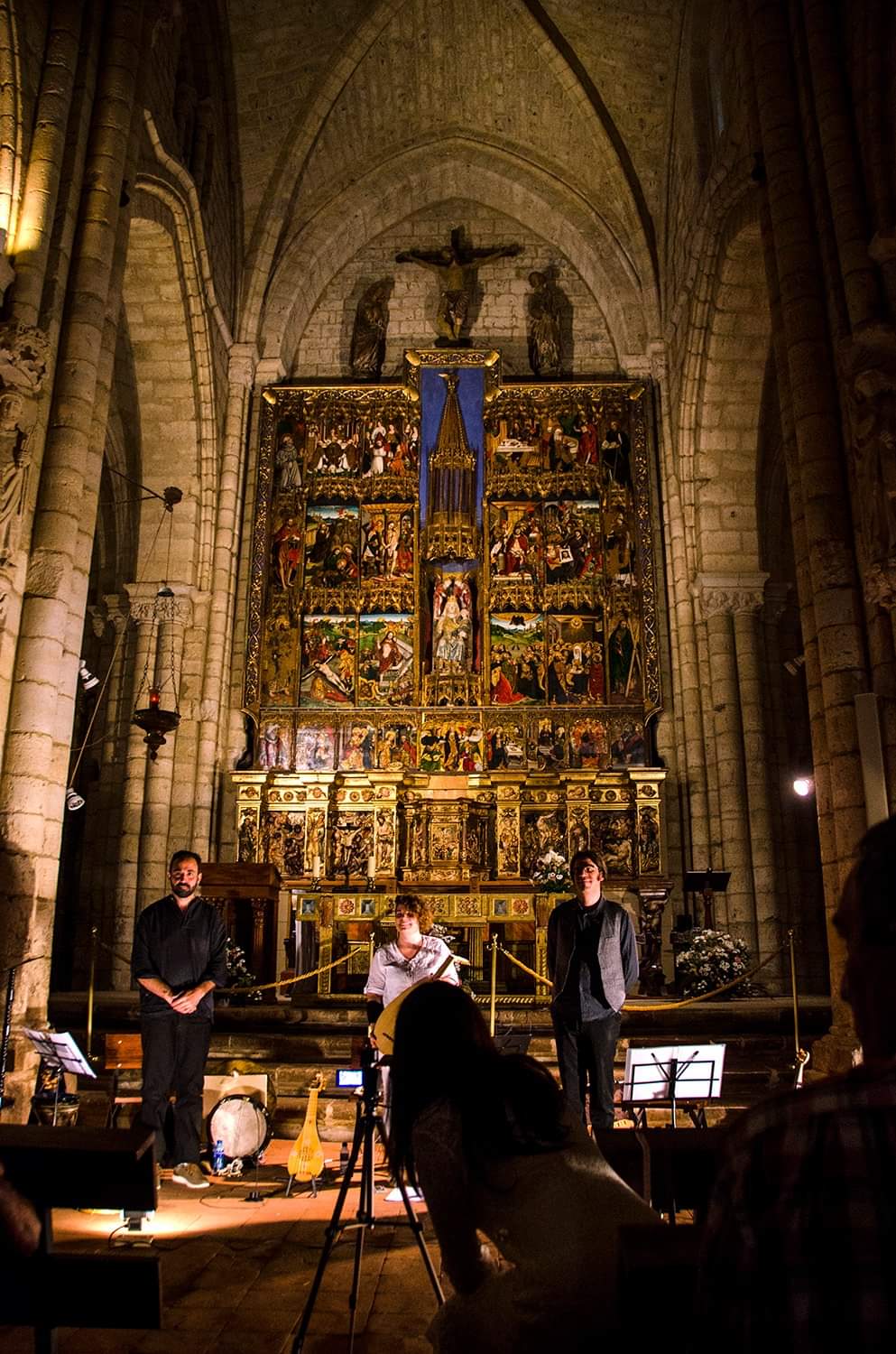
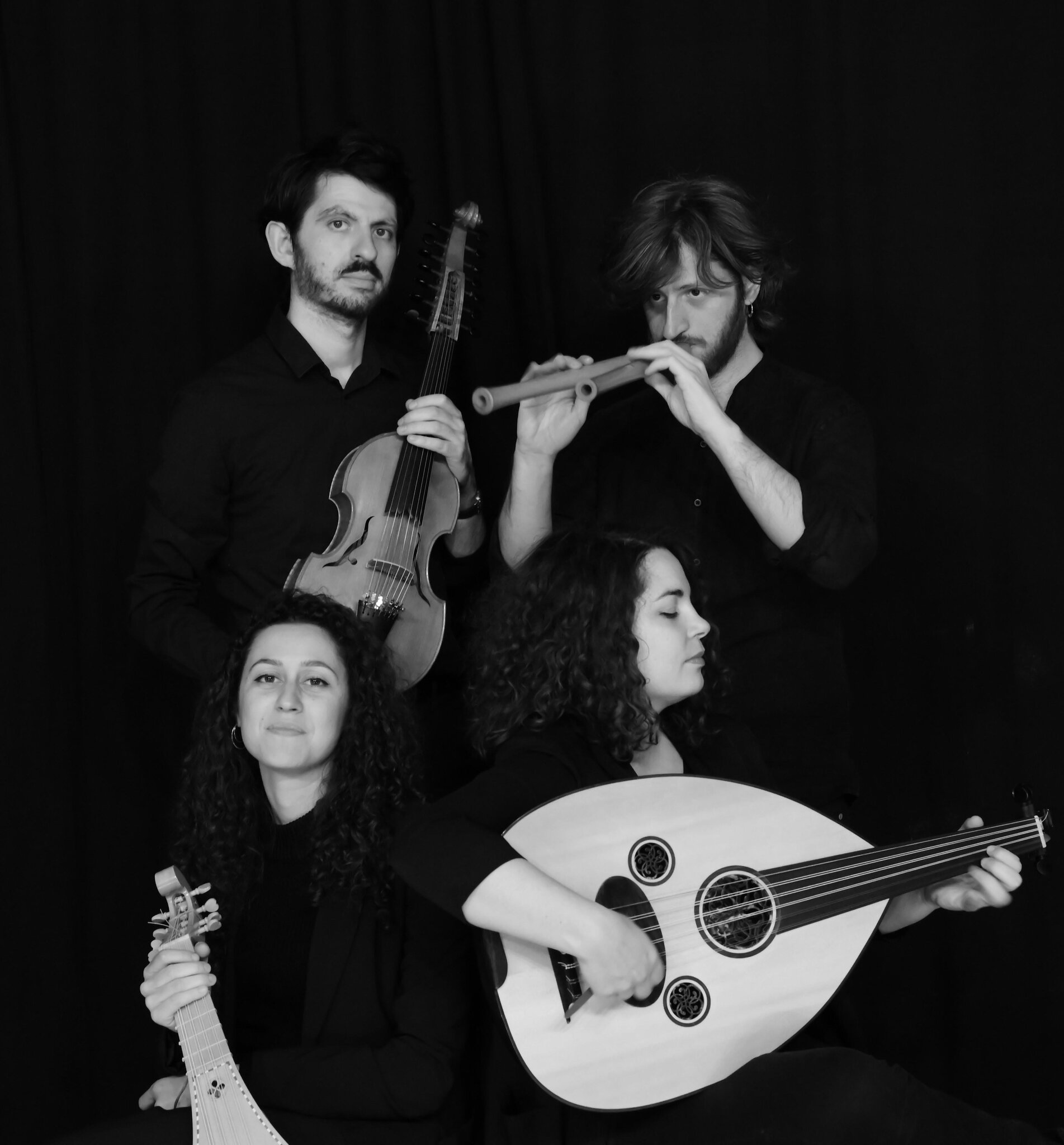
More than an ensemble, Fragmenta is a fluid gathering of performers and scholars, shaped by each programme's specific repertoire, always guided by a minimalist conviction: that medieval music can speak directly to the soul, across centuries.
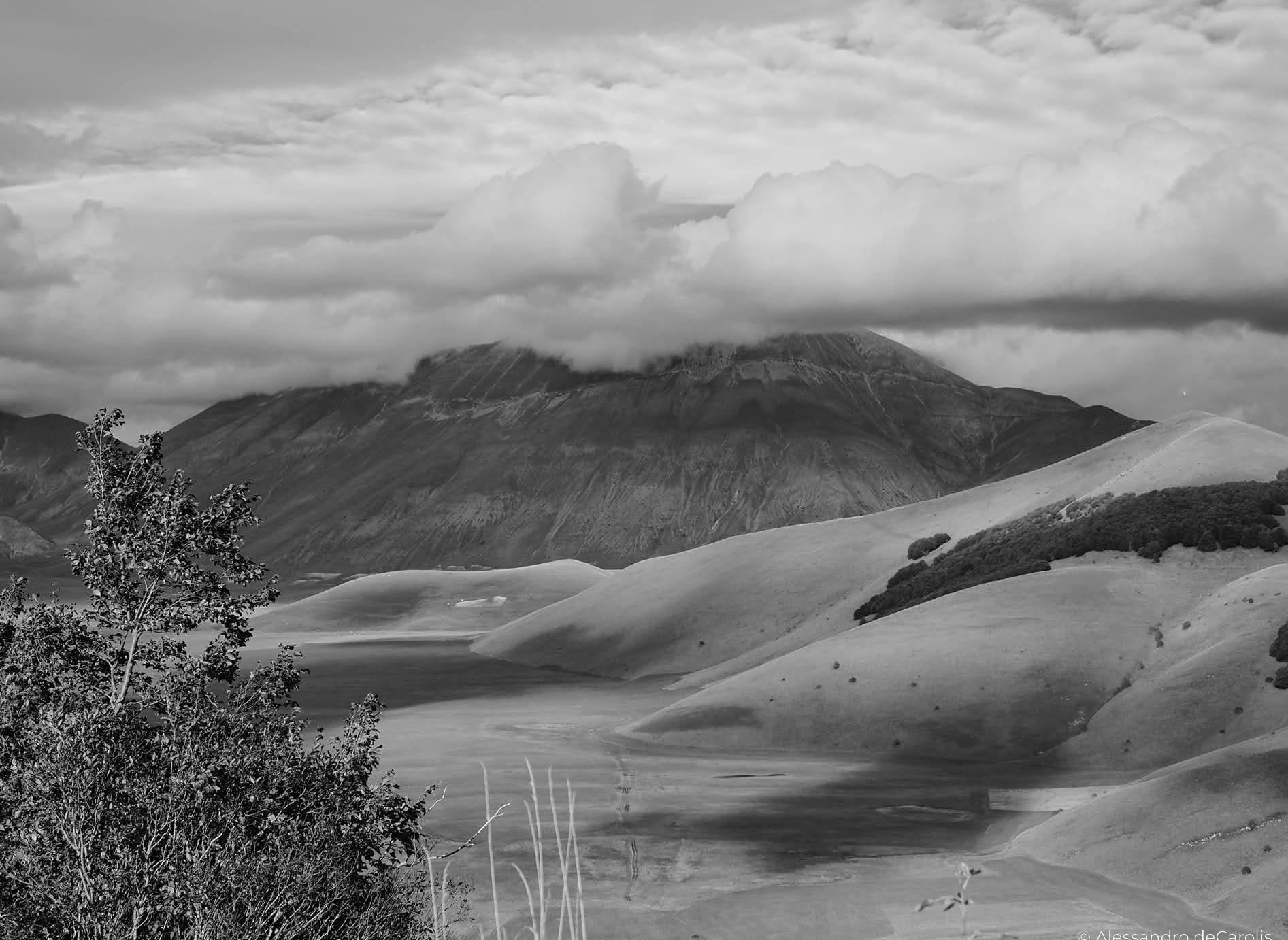
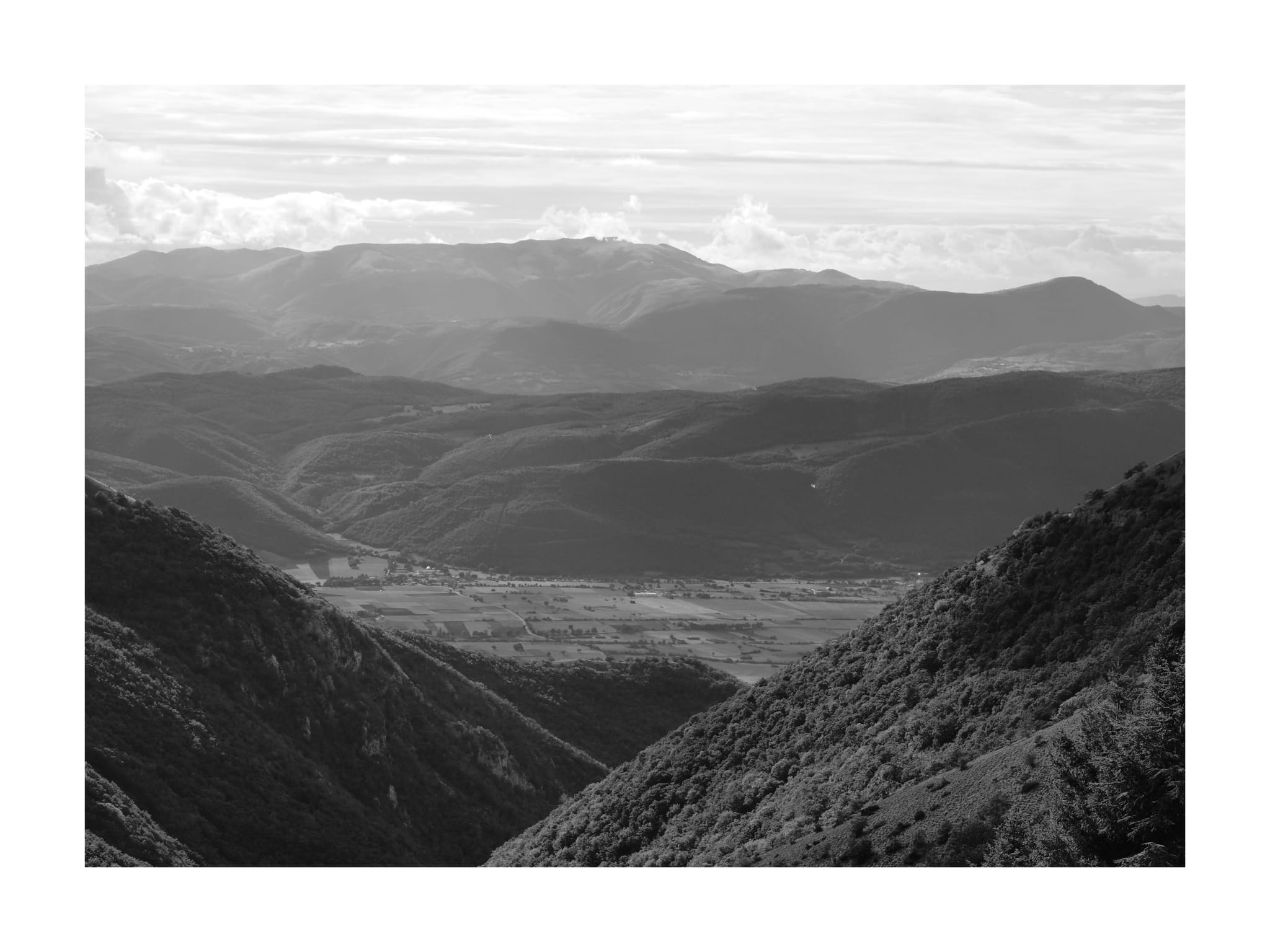
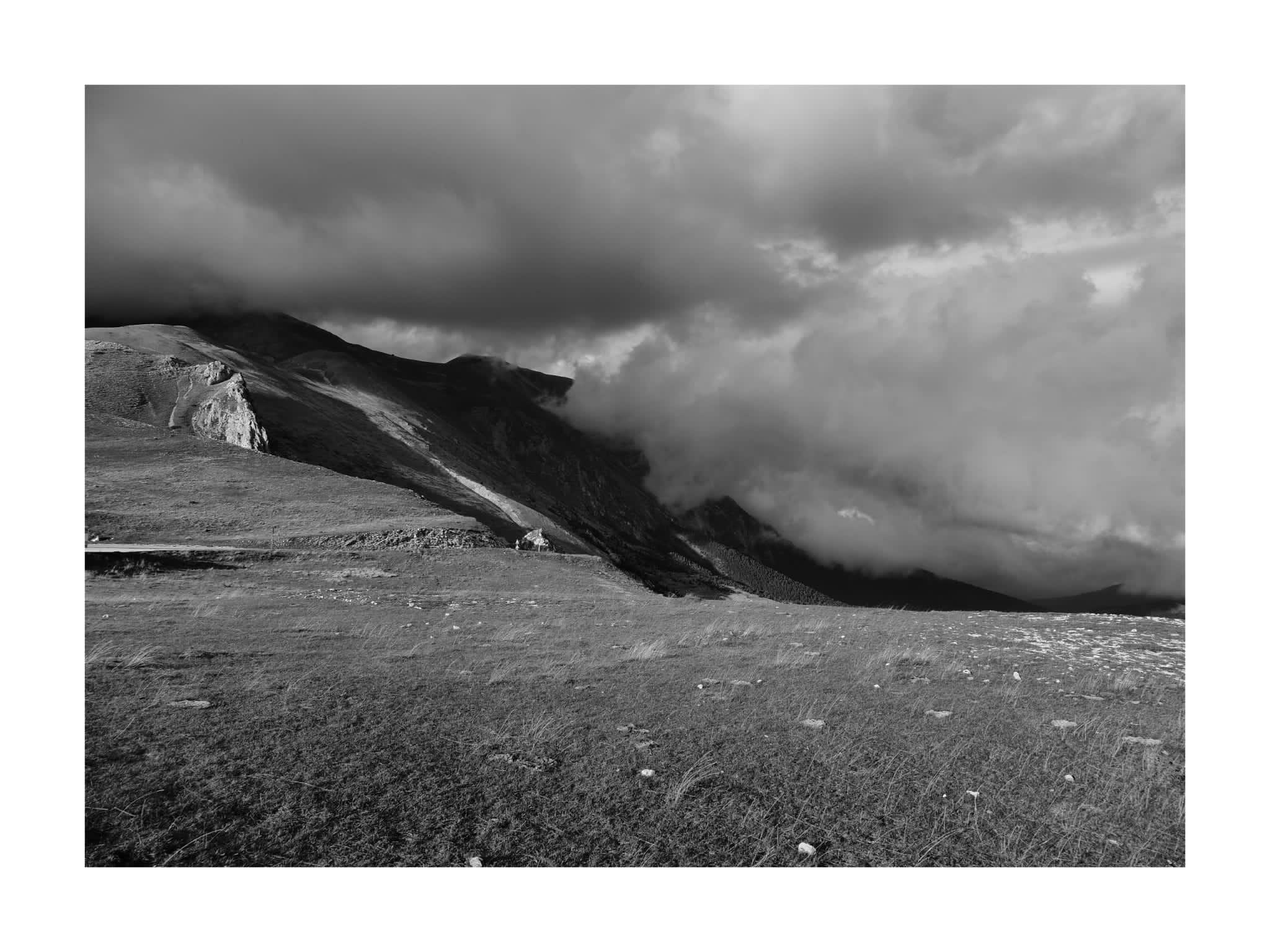
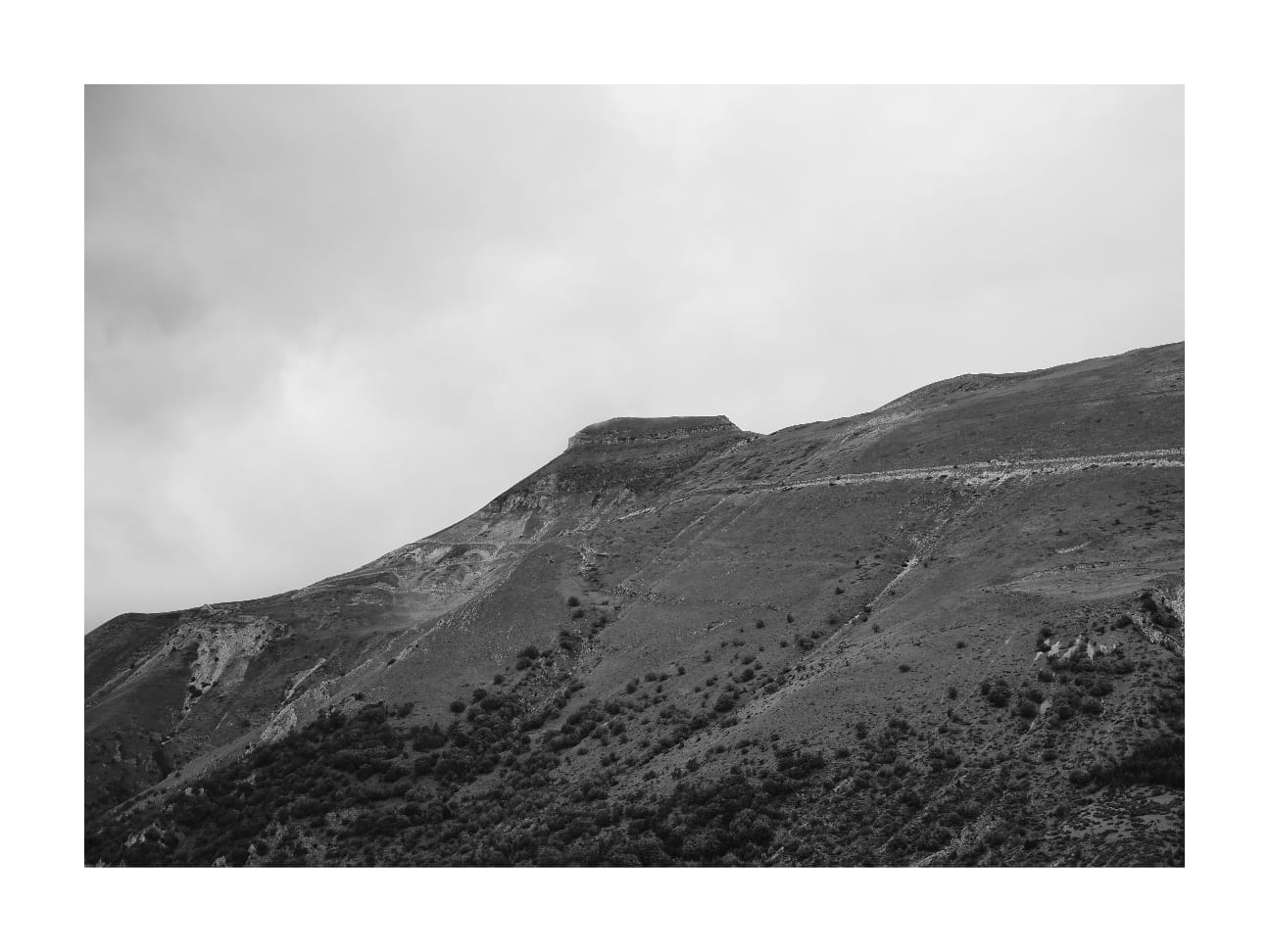
Siobulé begins with a word and a landscape. The word is Varro's explanation of the origin of "Sibyl" — from the Greek, meaning in Aeolic dialect "counsel of God." The landscape is represented by the Monti Sibillini, fractured by the earthquakes of 2016. From that fracture arises the question at the heart of the project: not how to recover what has been lost, but how to participate in the living continuity of a tradition.
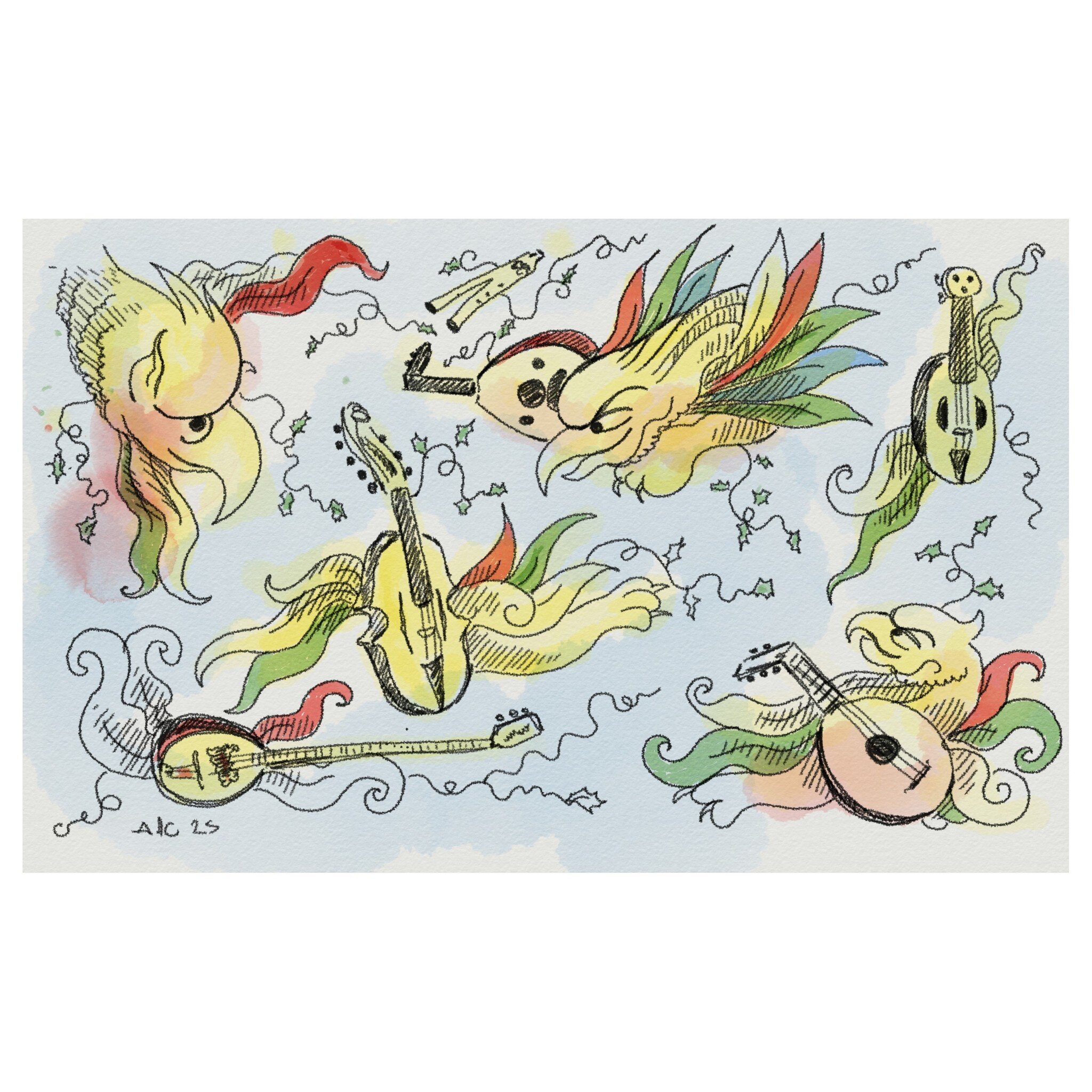
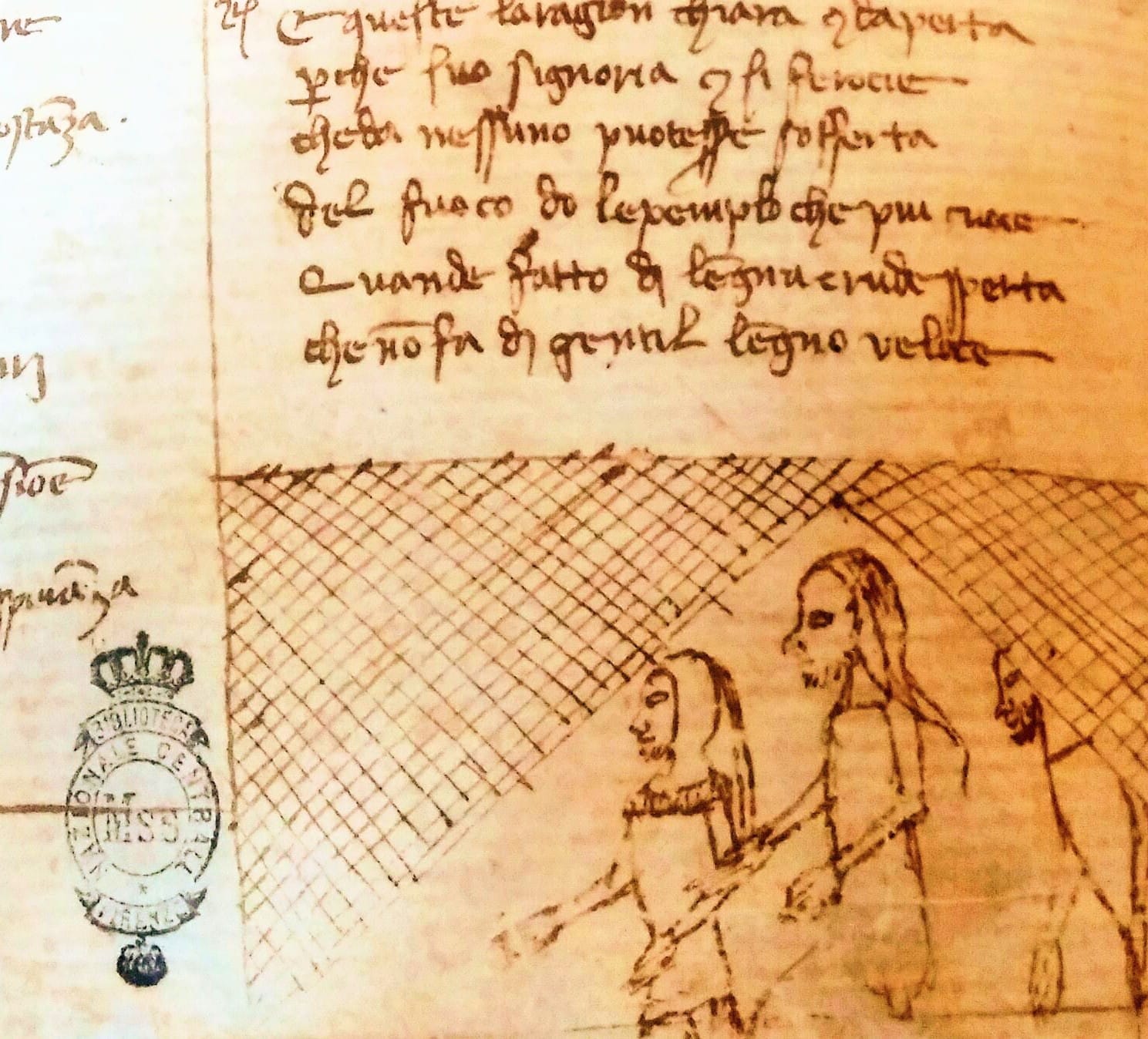
The starting point is Antoine de La Sale's Paradis de la reine Sibylle (1437–1442), a travel narrative set among these very mountains, where the Sibyl reigns over a court in which all the world's languages are spoken. The repertoire follows that spirit of multiplicity: fragmentary 15th-century sources, traditional music from Umbria, ancient pieces from Crete and the Ottoman world, and original compositions, woven together through a constellation of string instruments, winds, and percussion from across the Mediterranean. The music unfolds alongside Alessandro de Carolis's live drawing, emerging in the style of medieval marginalia from photographs of Monti Sibillini.
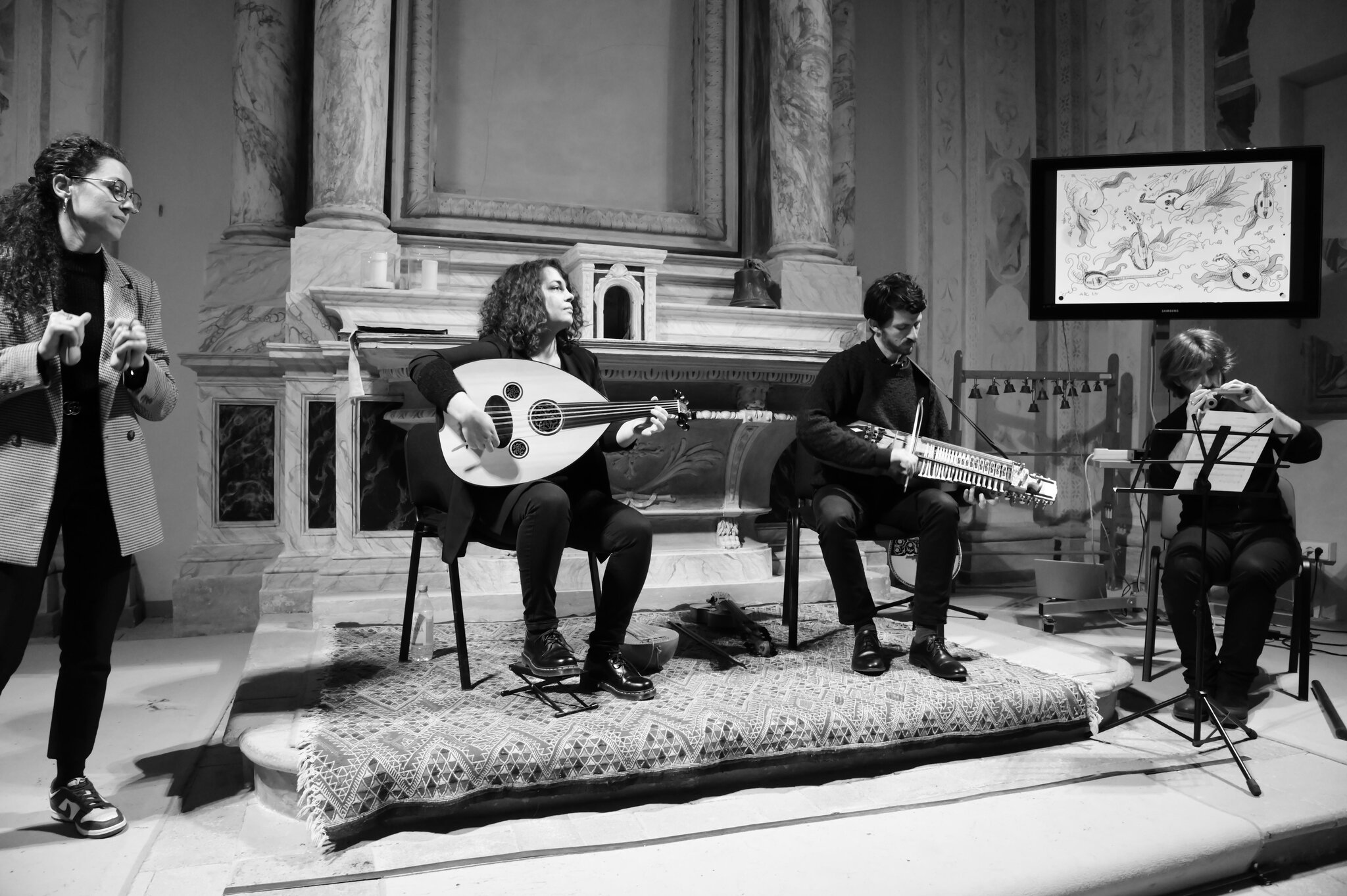
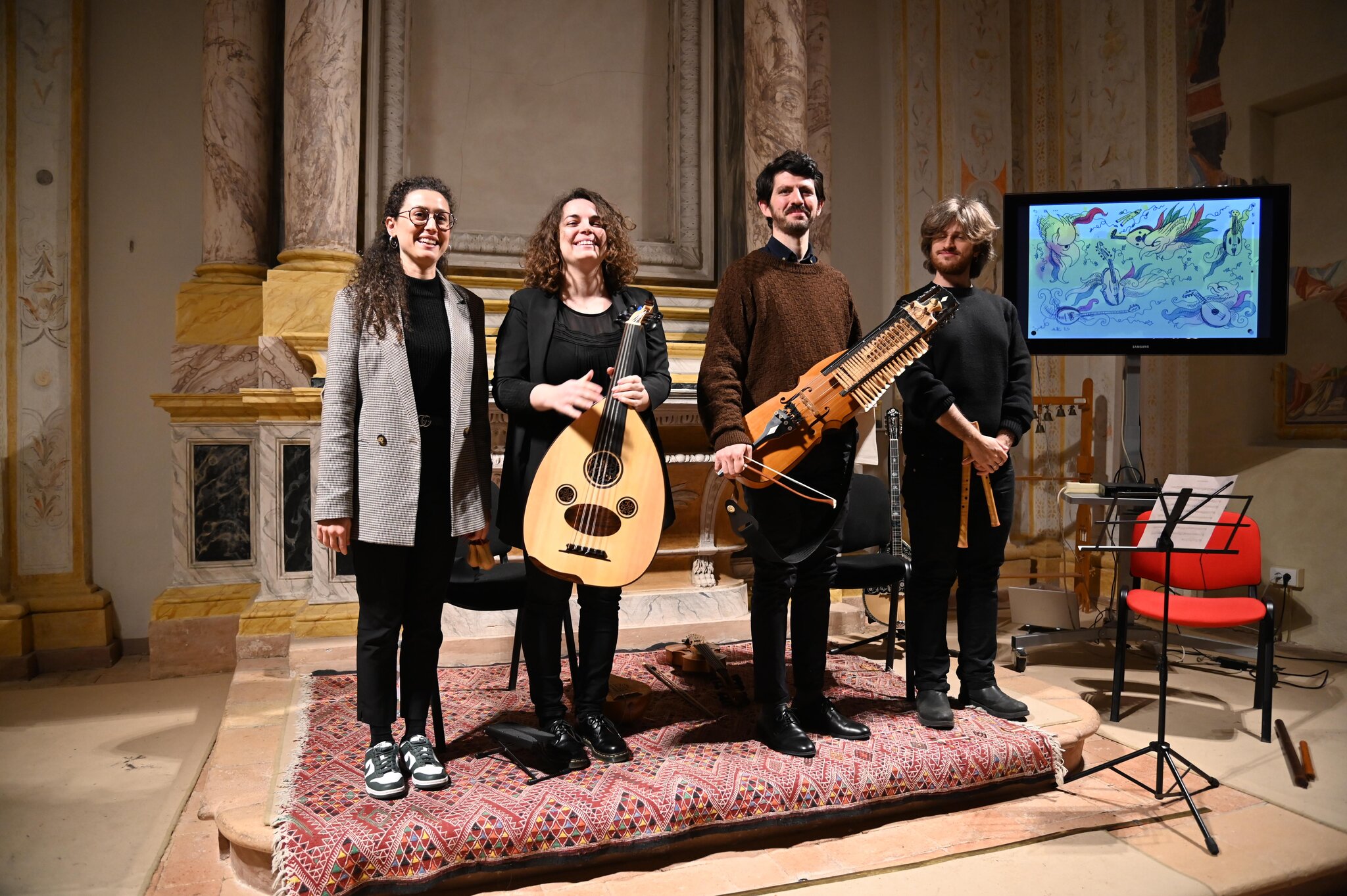
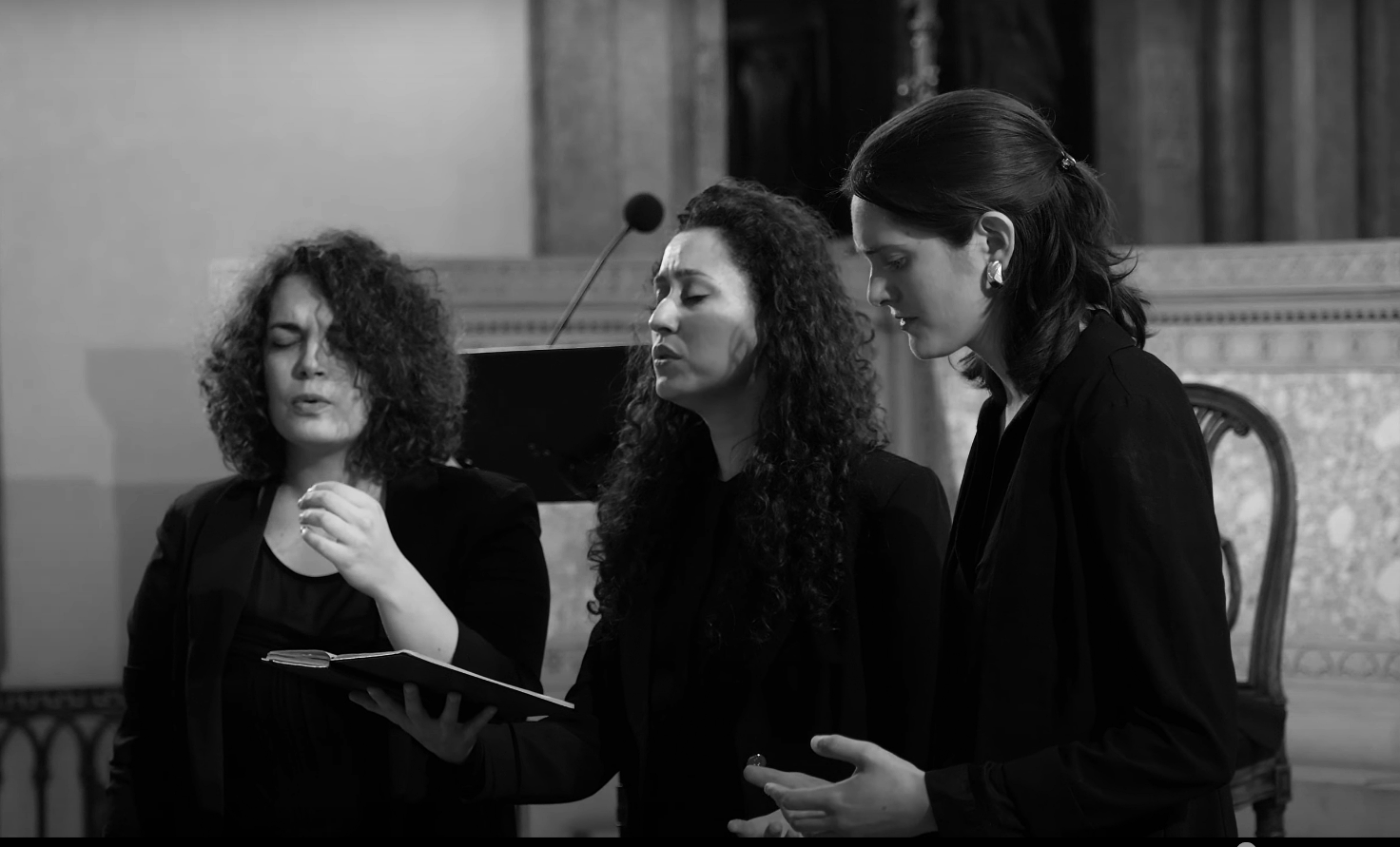
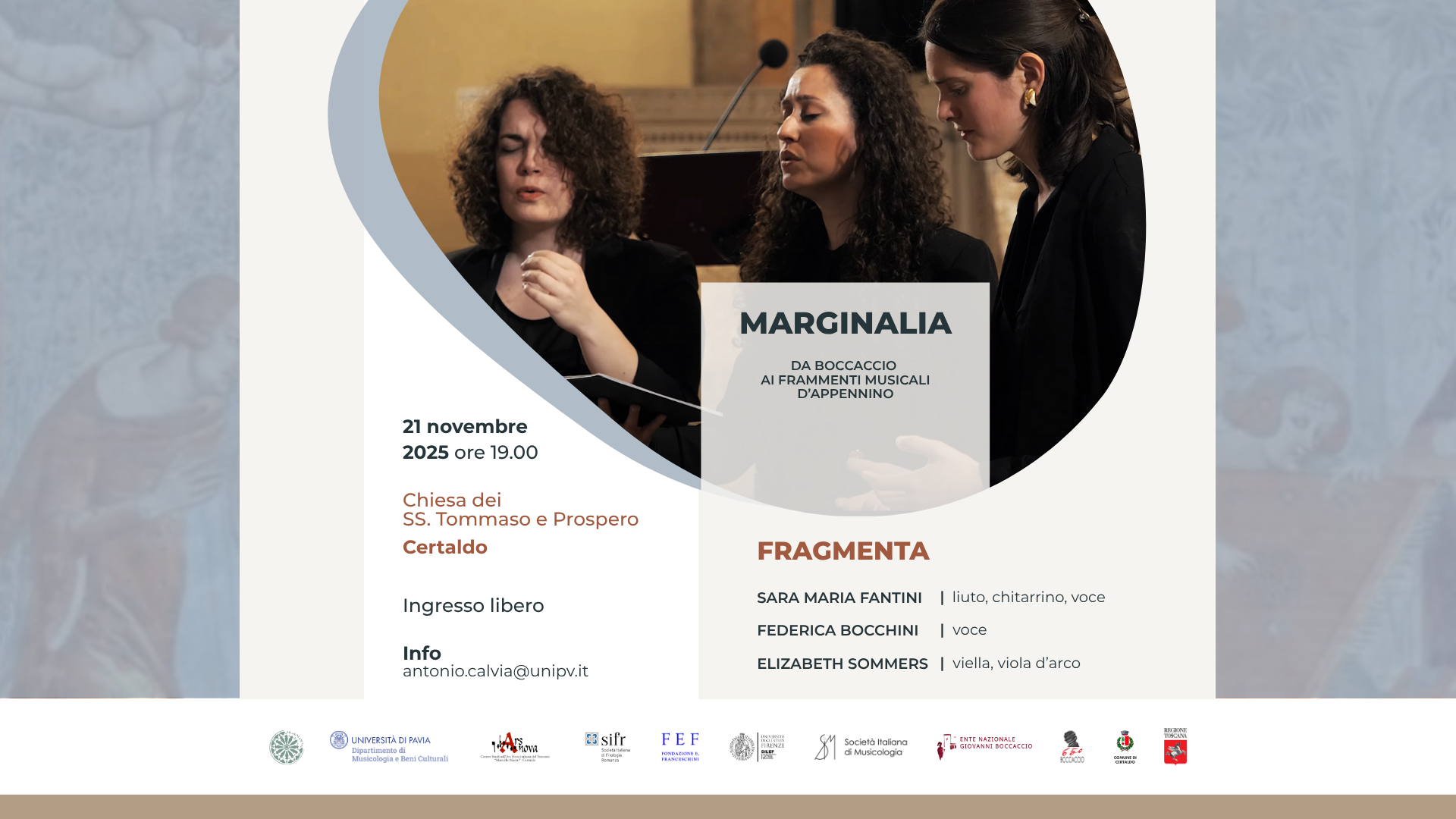
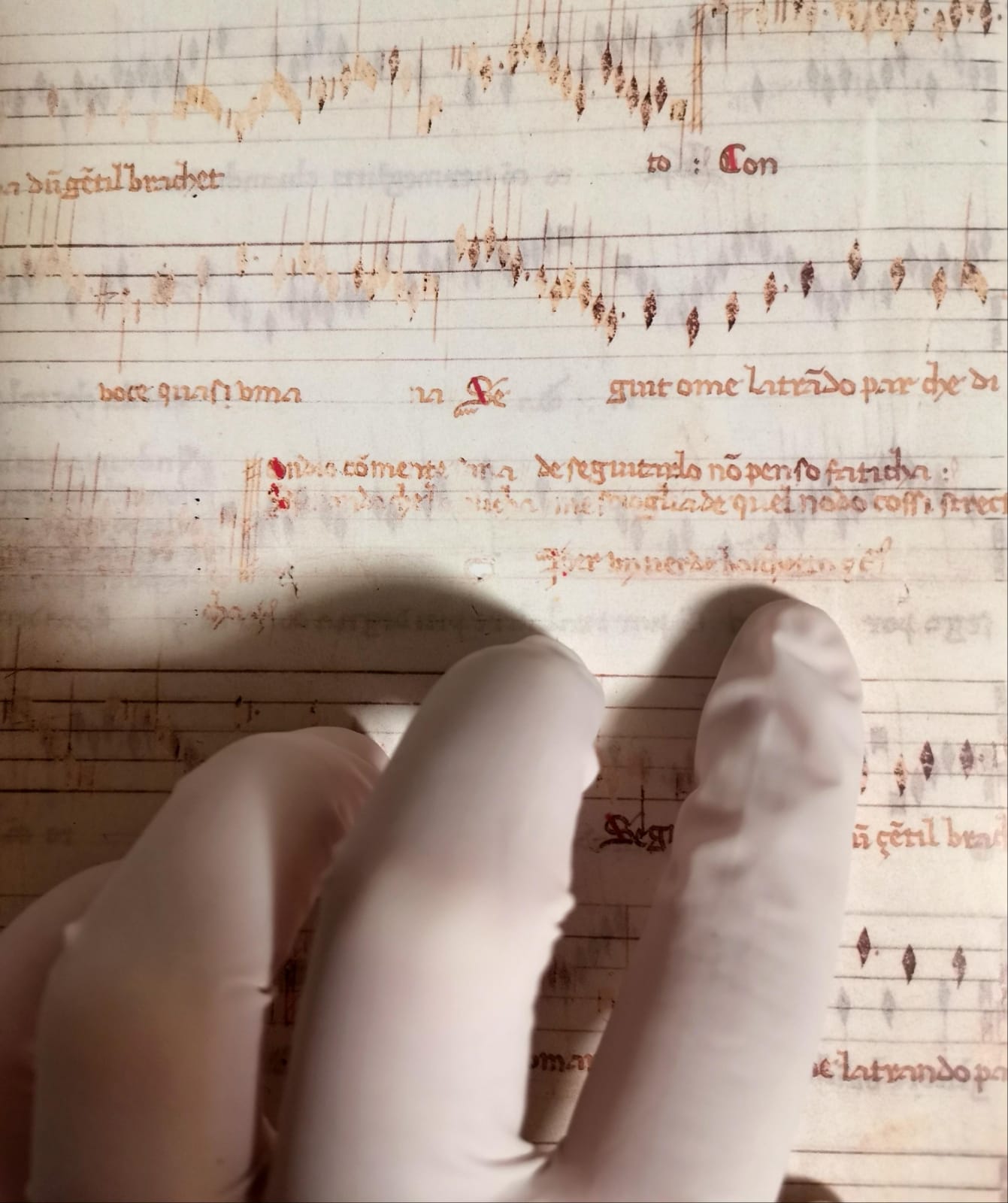
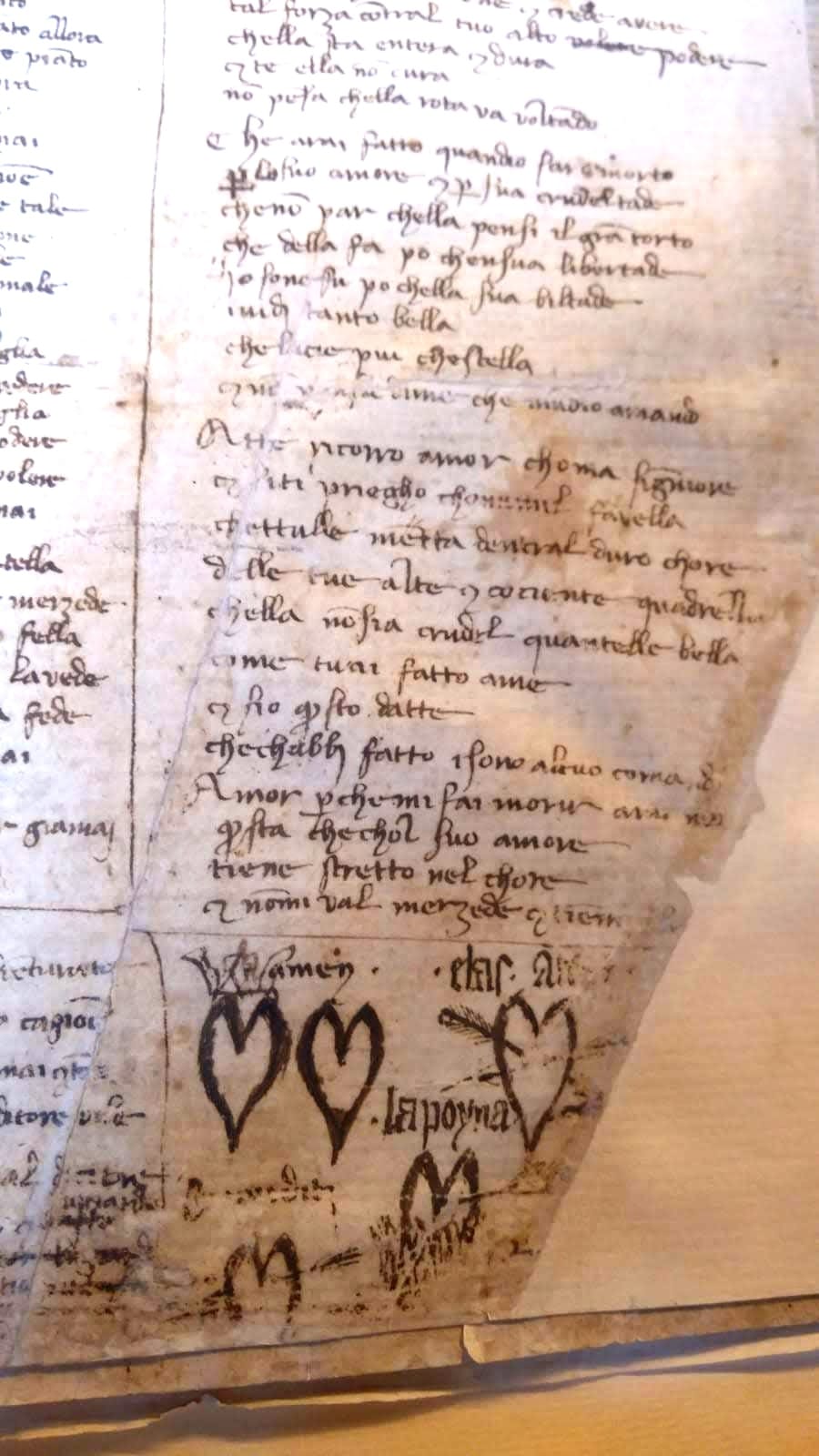
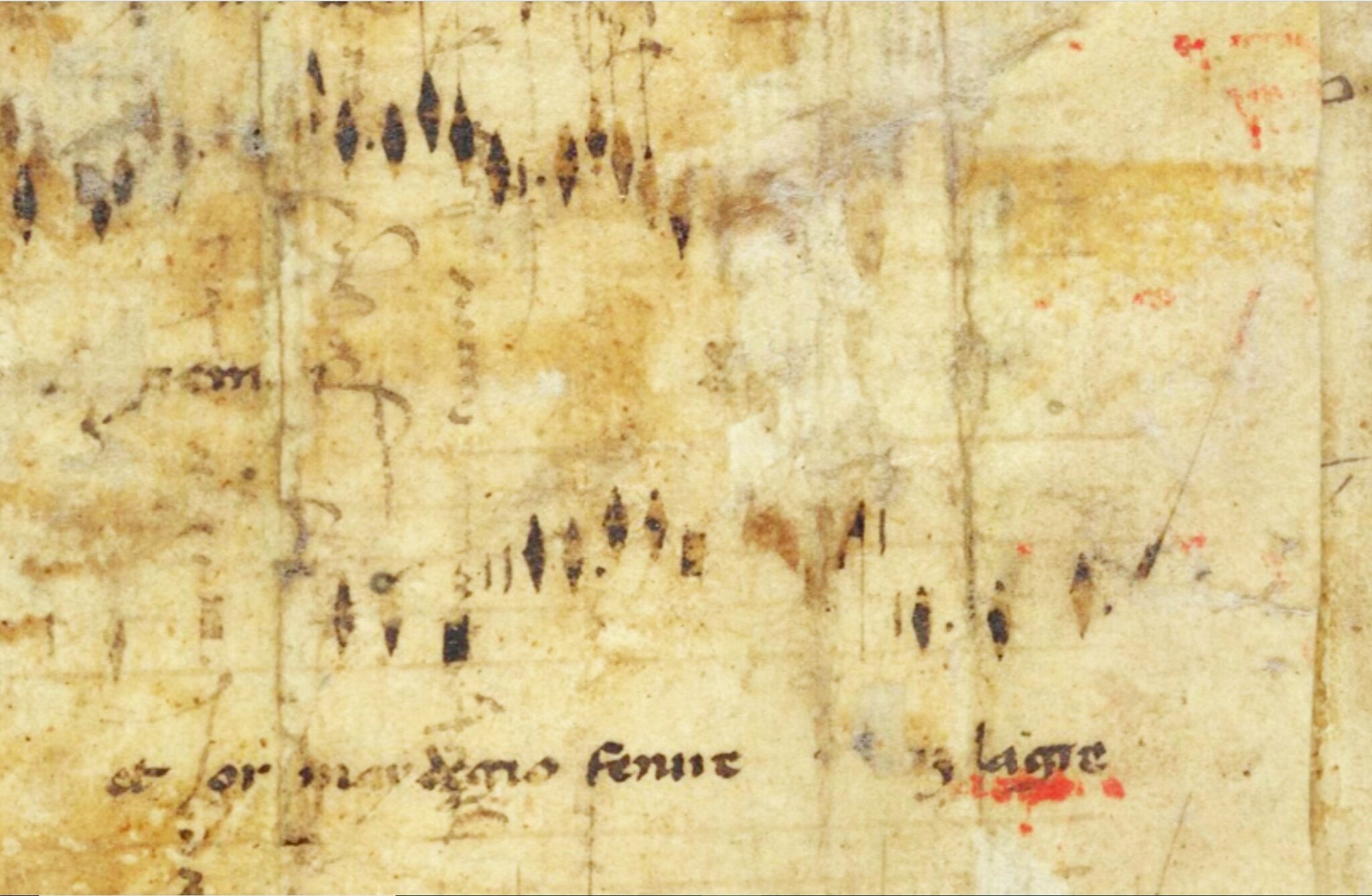
Marginalia takes its name from the places where its music was found — the margins. The musical landscape of late 14th and early 15th-century Italy has long been reconstructed around a handful of great surviving codices, leaving entire regions in silence. This project gives voice to musical fragments rediscovered, often by chance, in the covers of old notarial registers, in the reinforcement sheets of incunabula, in the scattered pages of dismembered manuscripts — traces of a hidden Italy, mapped along the Apennines.
Some fragments survive intact; others required reconstruction — filling in missing voices, completing textual lacunae, or finding a path through instrumental diminution. The approach is never one of restoration, but of dialogue: stepping into the space between the composer and the copyist, handling the material with care but also with freedom. The result is a mosaic of unexpected variety, from archaic polyphony to French and Franco-Flemish-inspired compositions, evidence that the cosmopolitan spirit of the age reached even the smallest centres — a world where sacred and secular, Latin and vernacular, liturgical music and love poetry met and intertwined.
Marginalia — Festival dell'Ascensione, Milano, 4 maggio 2025 → Programme notes →
Vai lavar cabelos na fontana fría was Fragmenta's first recording, born from a collaboration with the University of Santiago de Compostela as part of a research project on the cultural heritage of the Galicia–Northern Portugal Euroregion. The album is devoted to the origins of Hispanic lyric poetry — the Galician-Portuguese cantigas of the 12th and 13th centuries, among the earliest secular repertoires of the Iberian Peninsula. These are songs of longing, of waiting, of young women going down to the cold fountain; intimate verses that have survived almost by chance, and that ask to be sung again.
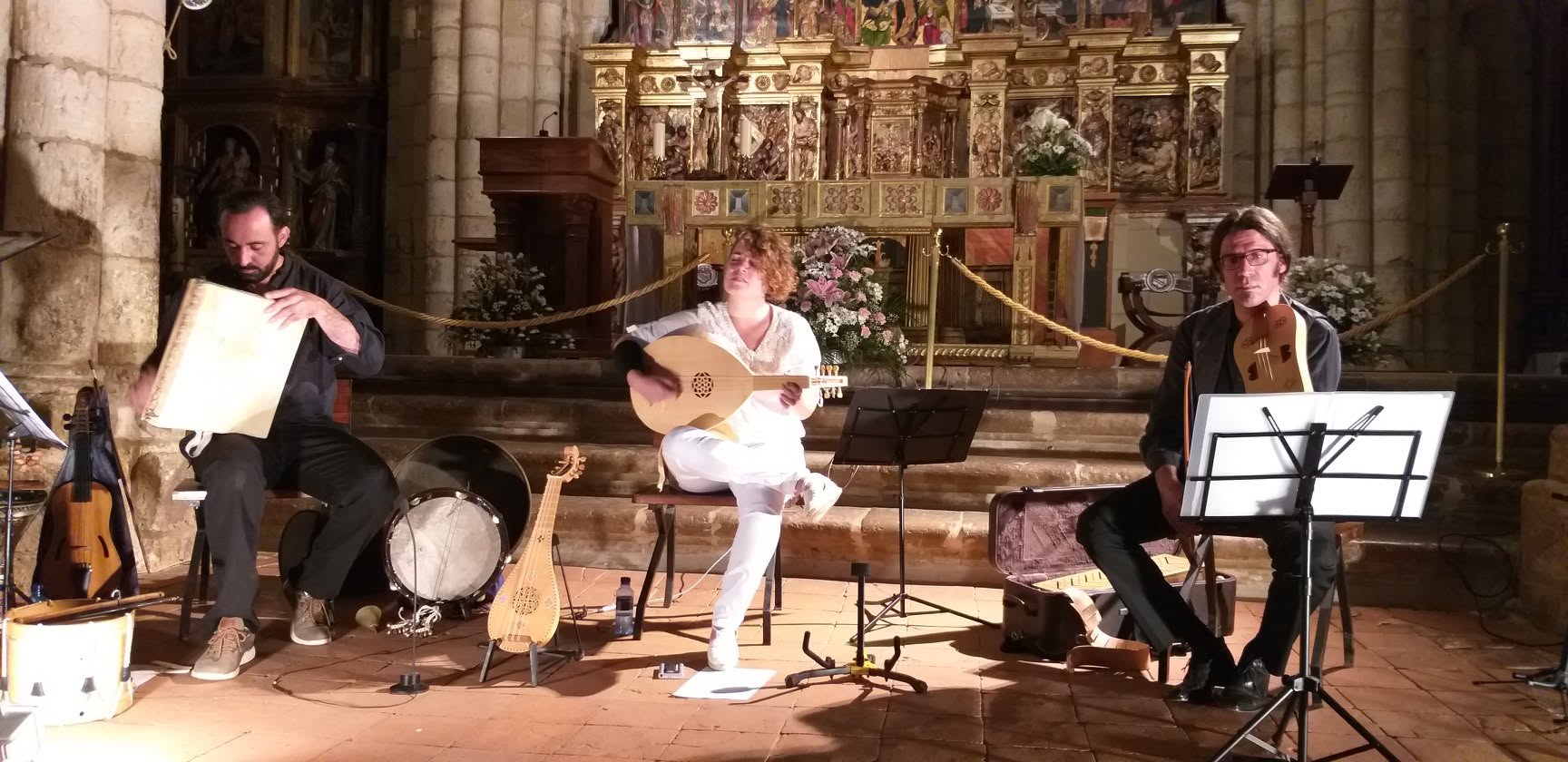
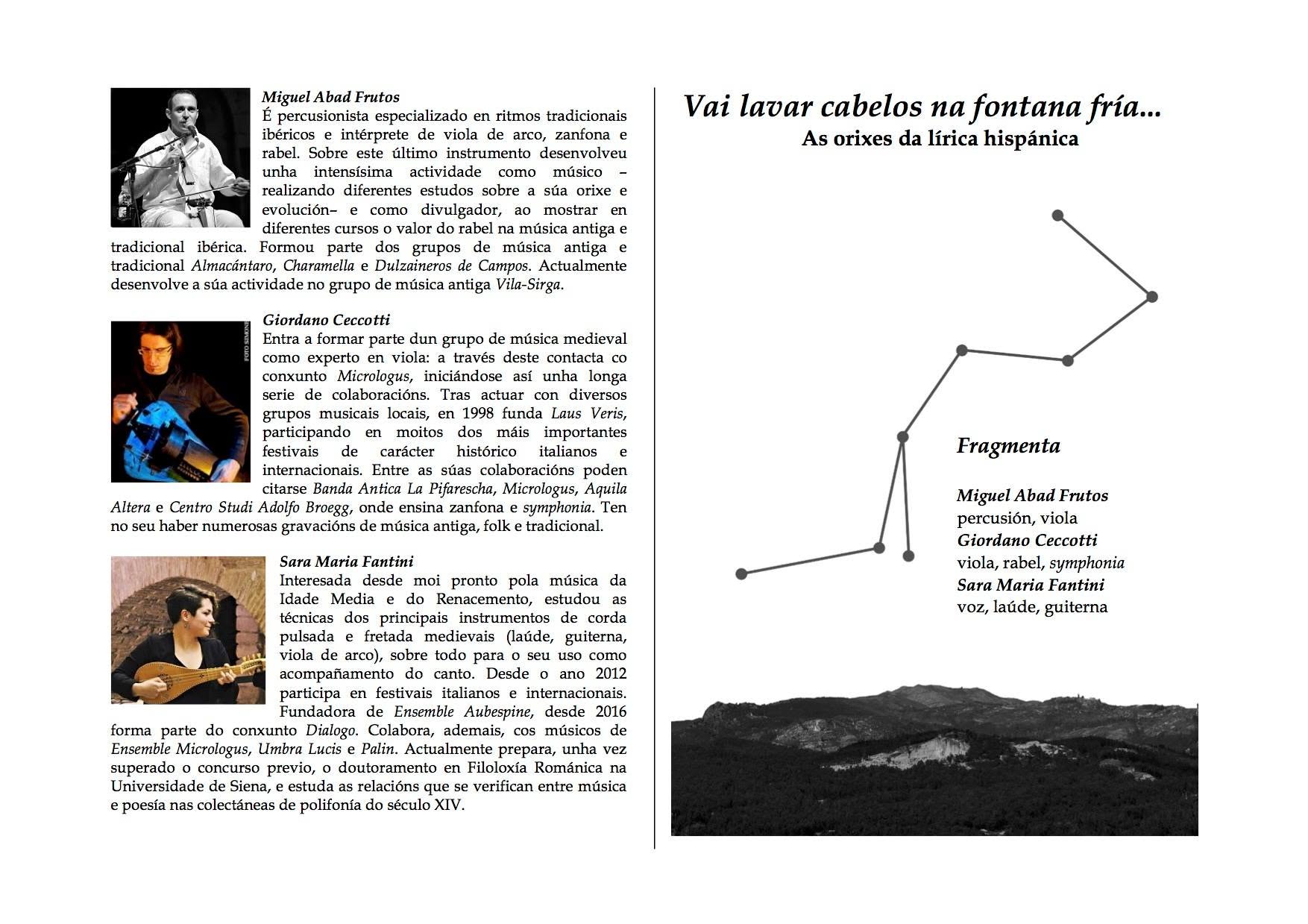
The recording brings together voice, lute, gittern, citole, lira, viola, rebec, hurdy-gurdy, and frame drums — a constellation of instruments reconstructed from medieval iconographic sources — in the hands of Giordano Ceccotti, Paolo Modugno, Miguel Abad Frutos and myself. Philological guidance was provided by scholar Mariña Arbor Aldea. From this encounter between research and performance grew something larger: a series of concerts, a scholarly book published by the University of Santiago de Compostela, and a CD released in October 2019.