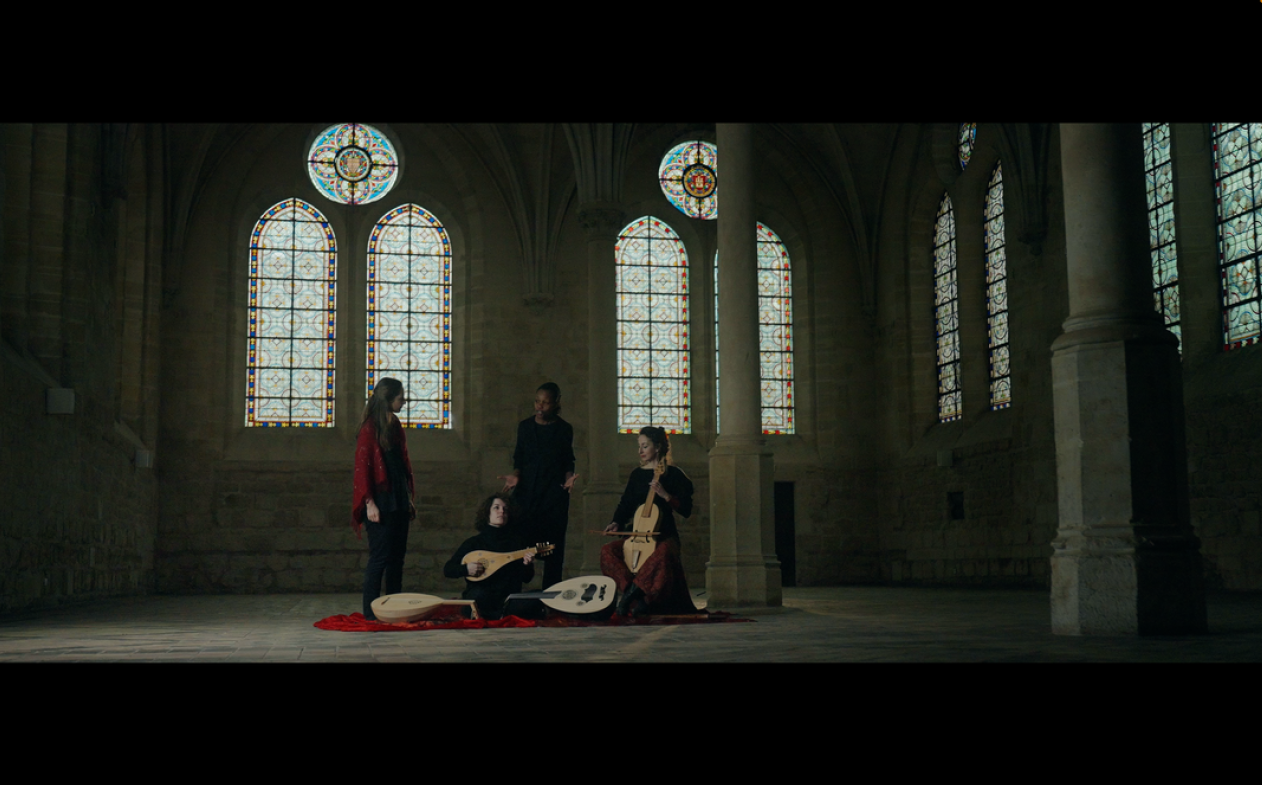
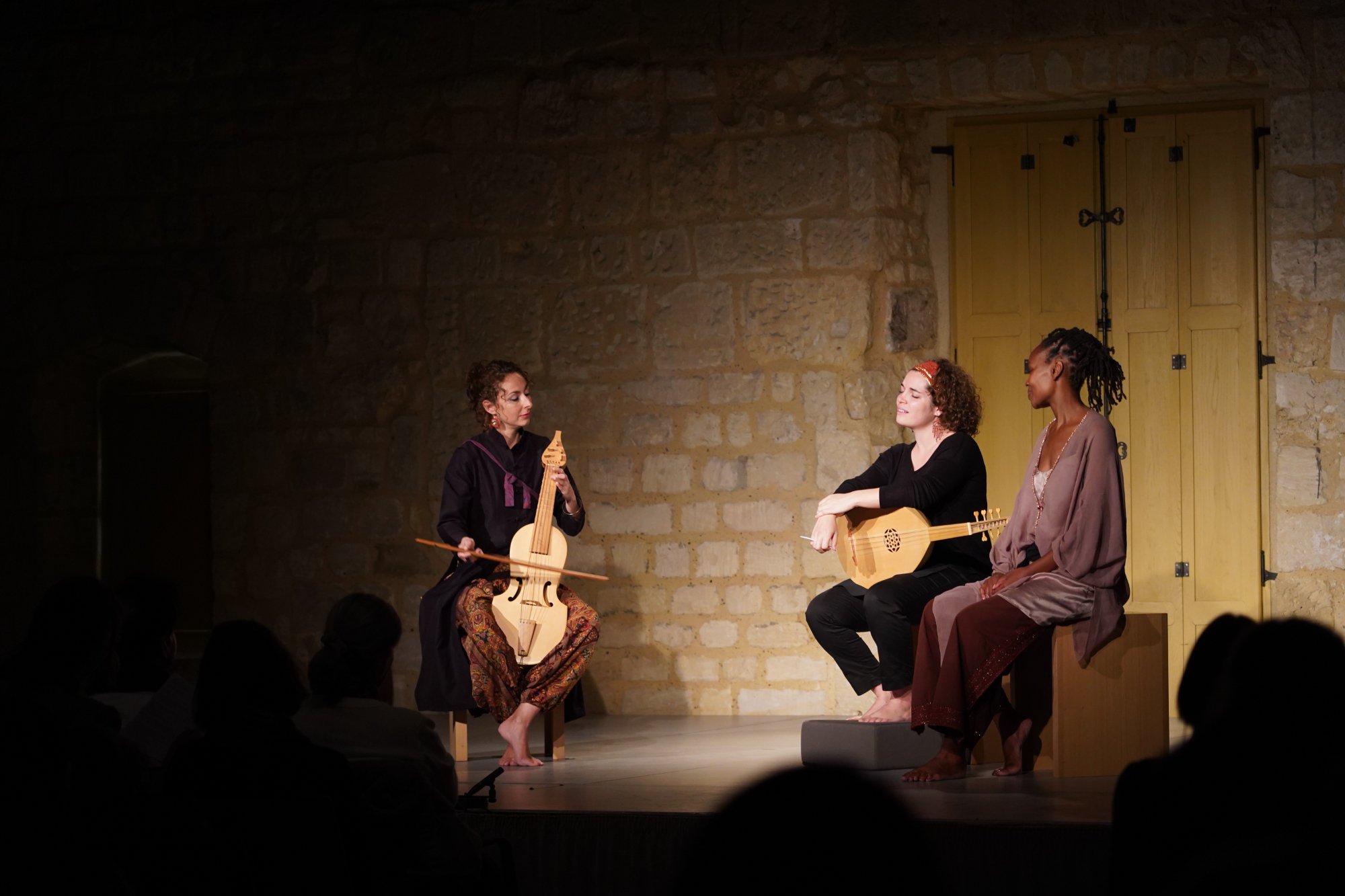
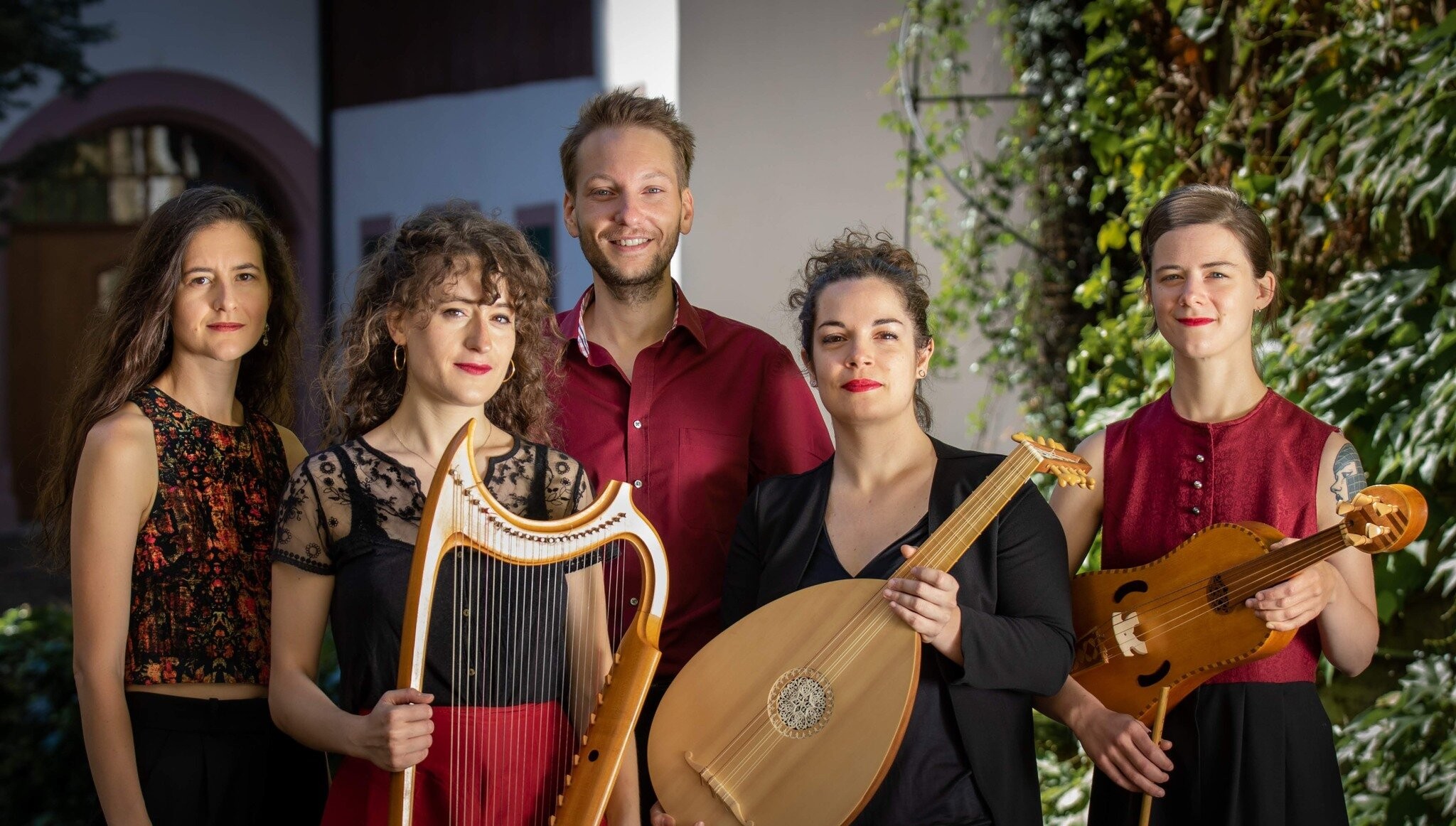
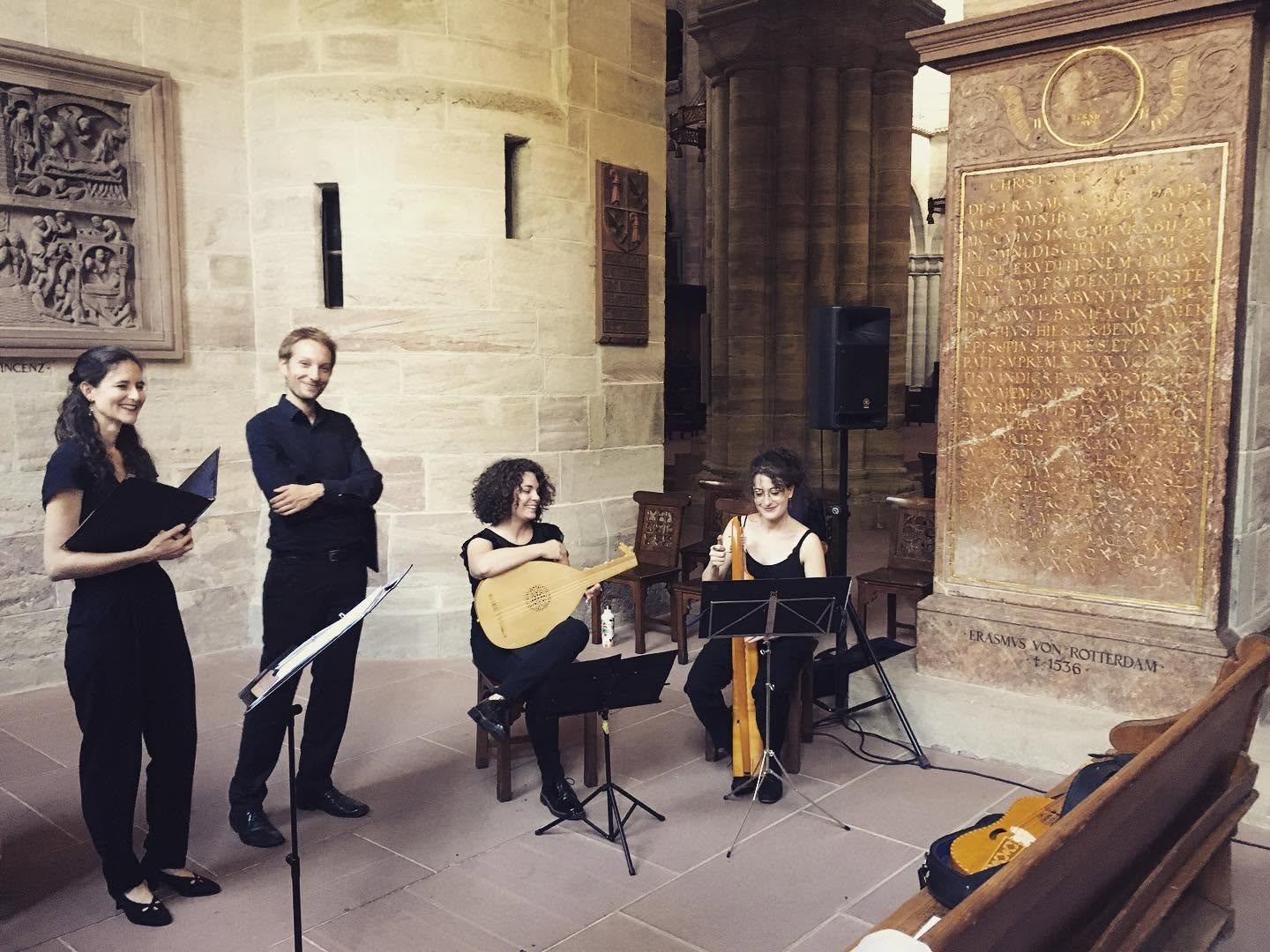
Trois Anneaux — et autres récits décaméronesques (also performed in Italian as Tre Anelli) is a musical stage production inspired by Boccaccio's Decameron (1313–1375). Florence, 1348: as plague ravages Europe, a group of young people takes refuge in the countryside, surviving through storytelling and song. The Decameron, a treasury of fourteenth-century sensibility, guides its audience into a world where the cultures of East and West speak to each other across the Mediterranean.
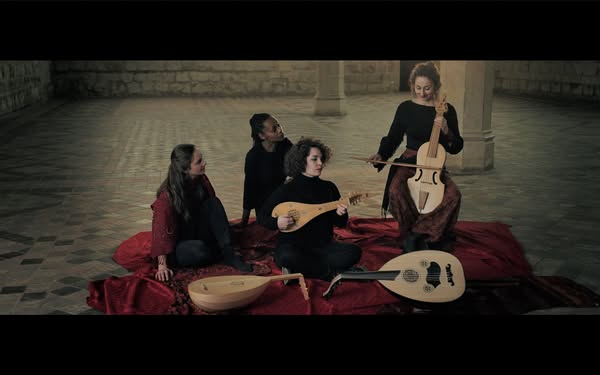
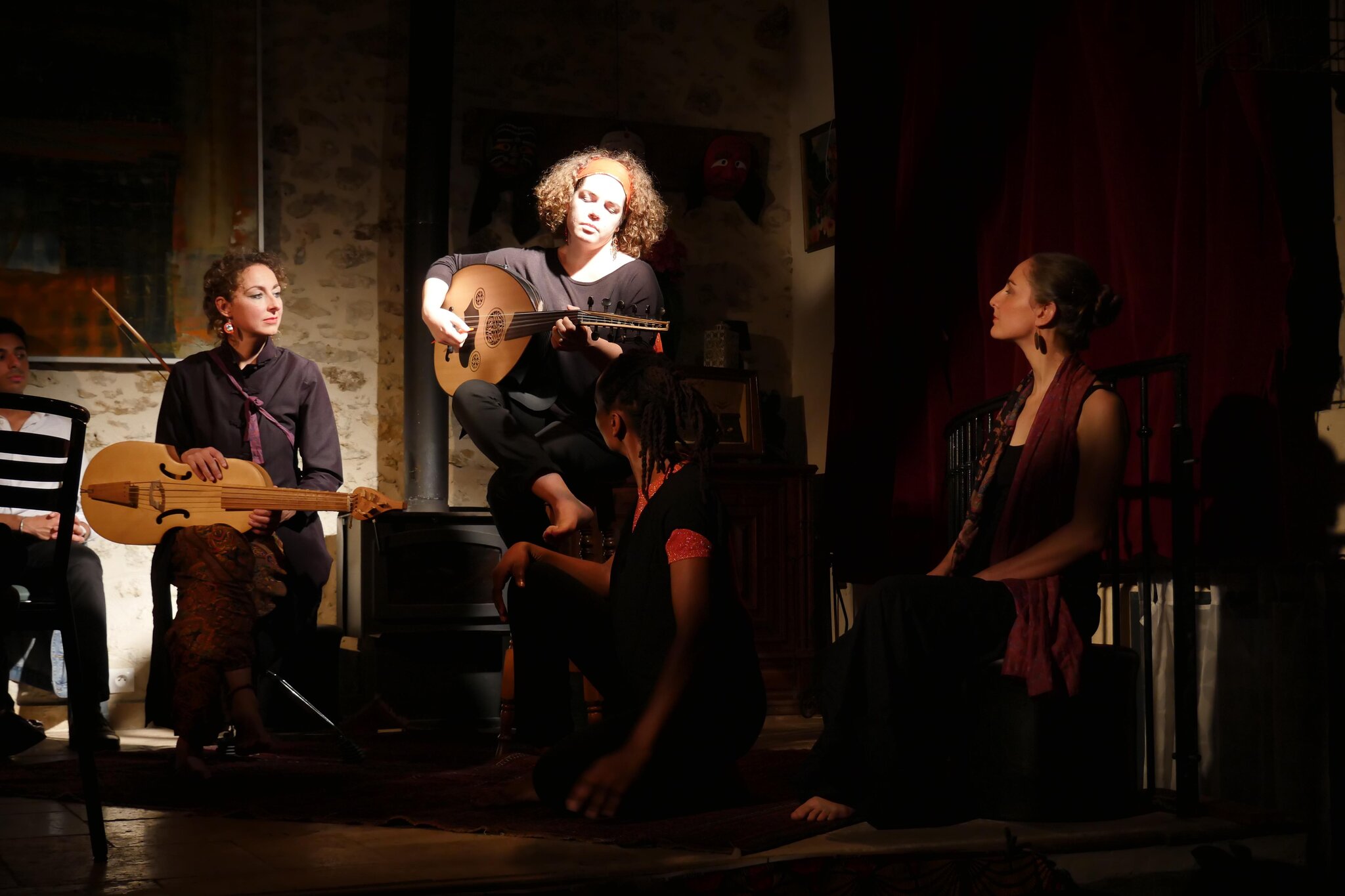
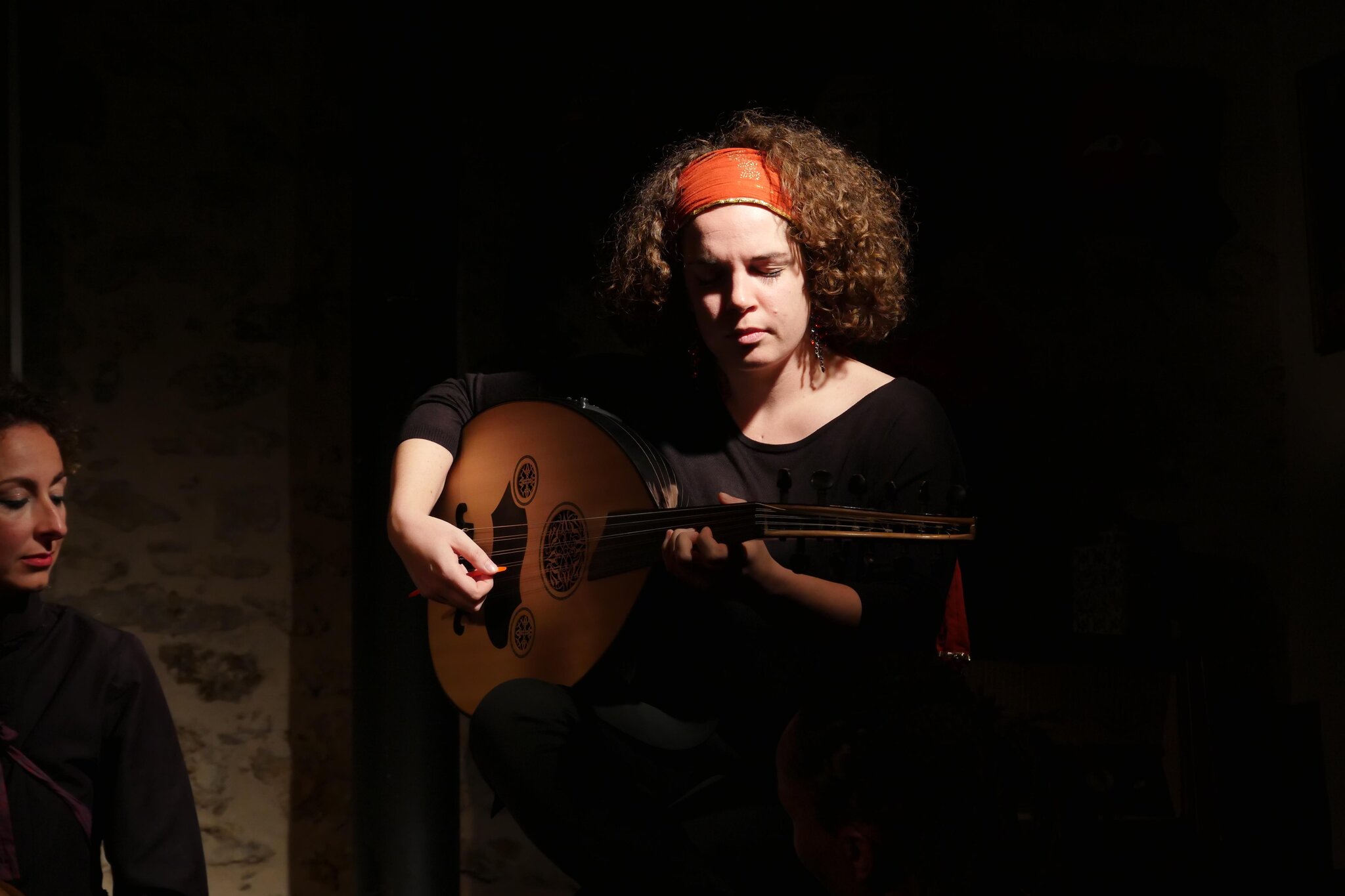
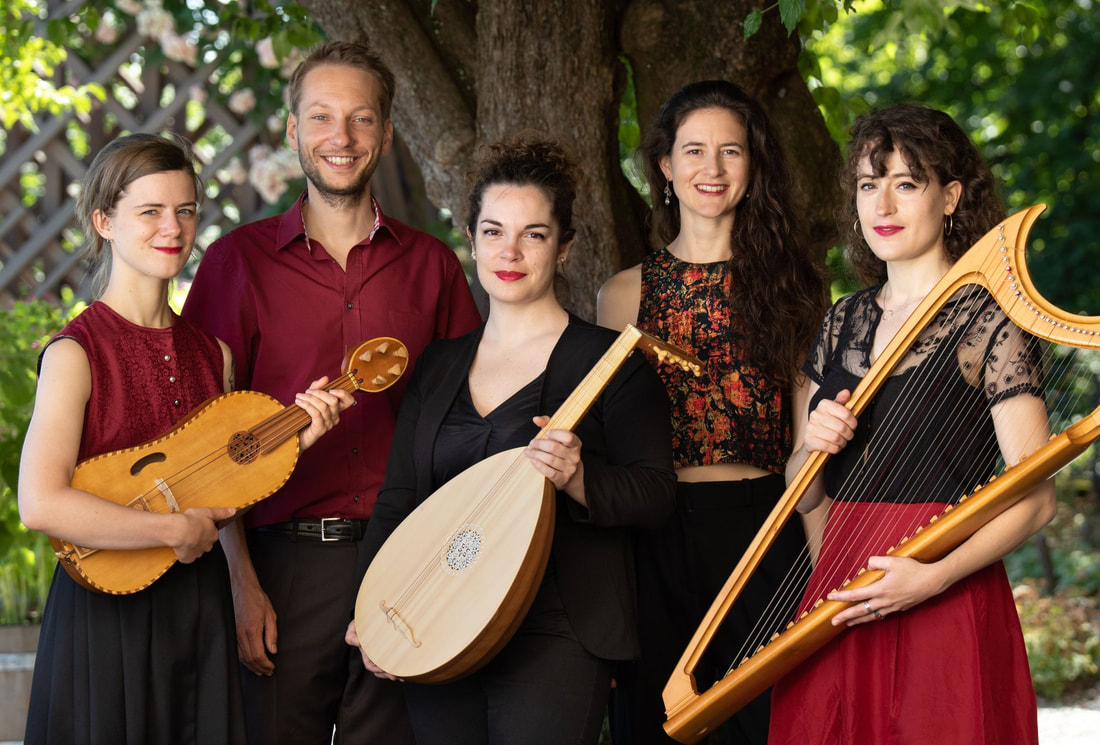
The music draws on repertoires distant in both space and time: medieval manuscripts that survived the vicissitudes of history, ancient melodies transmitted orally, instrumental improvisations (taksimat) following the modes (maqâm) of the Near East and North Africa, and original compositions. Sources are chosen for their connection to the places named in the tales: the Reina manuscript, the Squarcialupi codex, the London manuscript, the Spanish Cantigas. The instruments on stage are themselves travellers: the oud, the prince of instruments in North African and Middle Eastern cultures; the chitarrino, its medieval Western cousin; the fiddle, the beloved companion of love poets across medieval Europe; flutes, bound to dance and conviviality since ancient times.
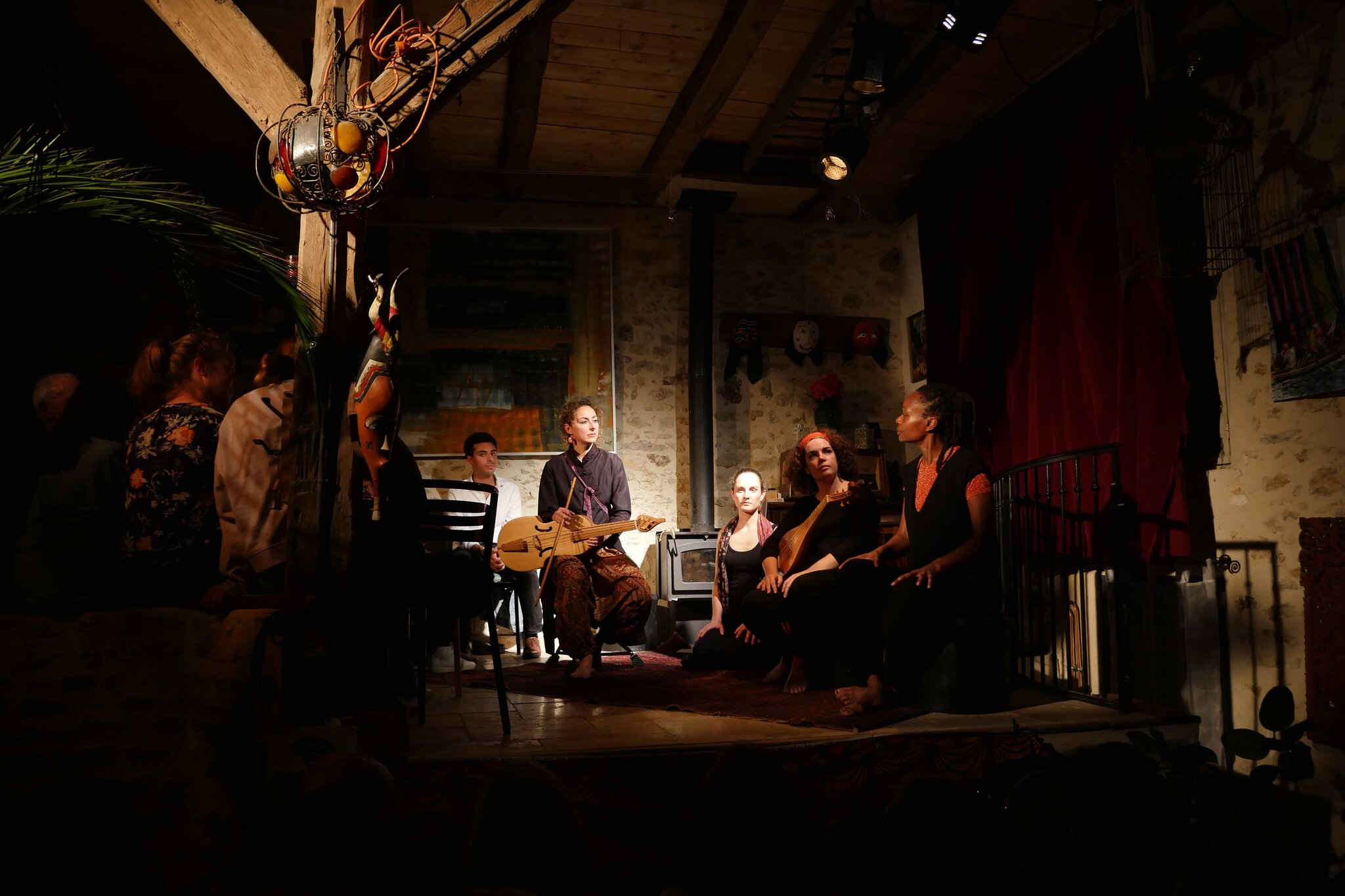
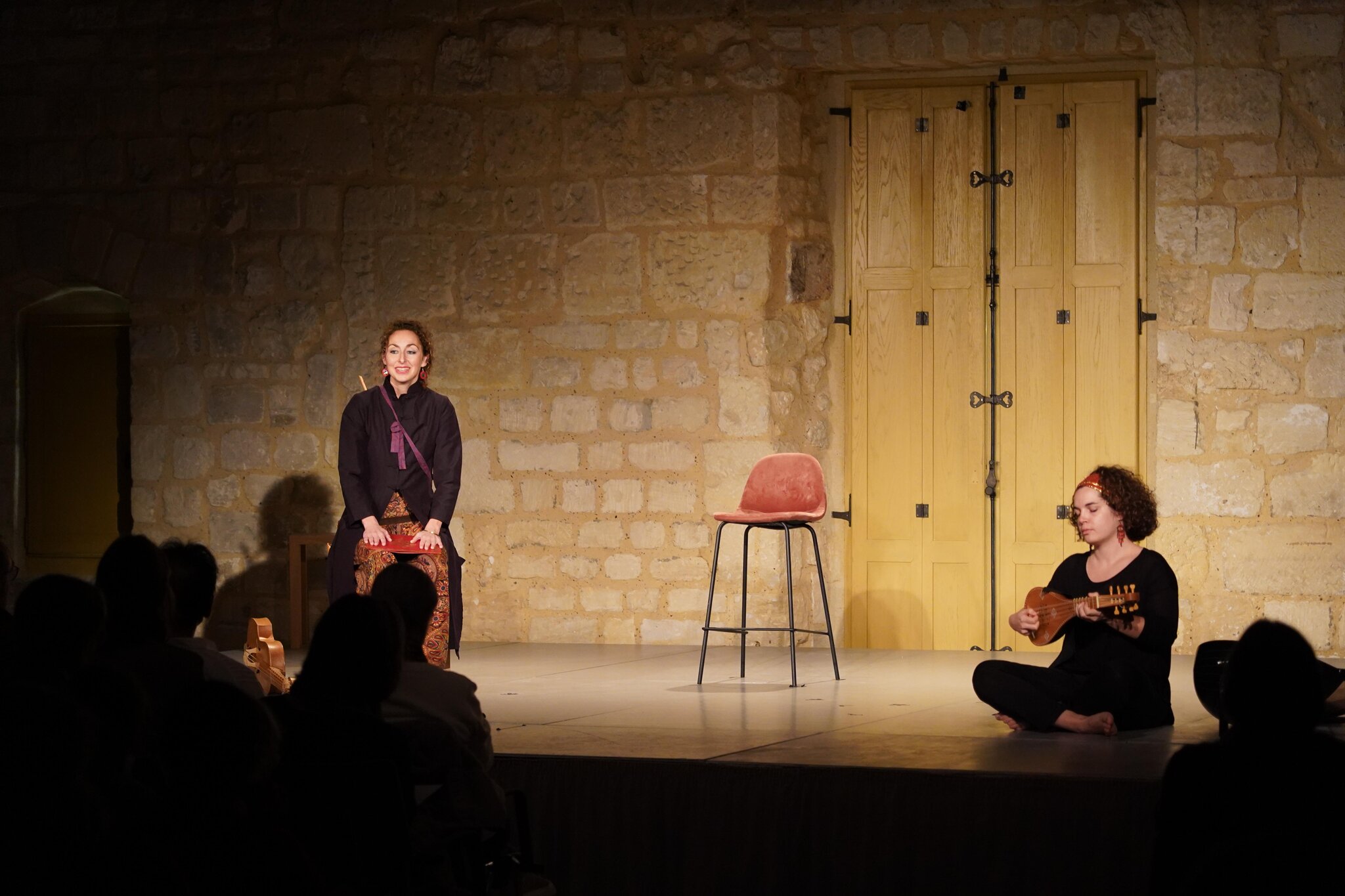
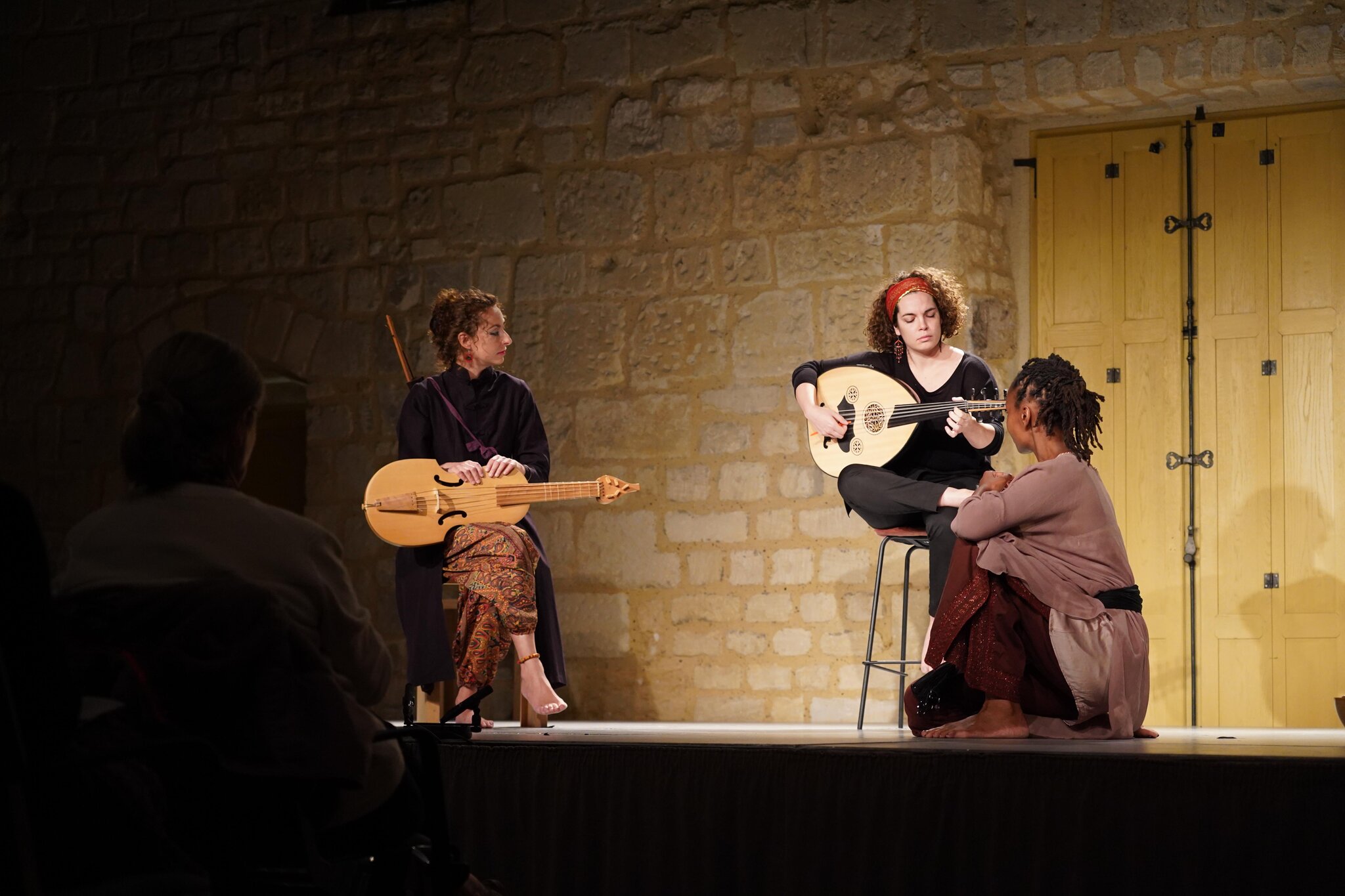
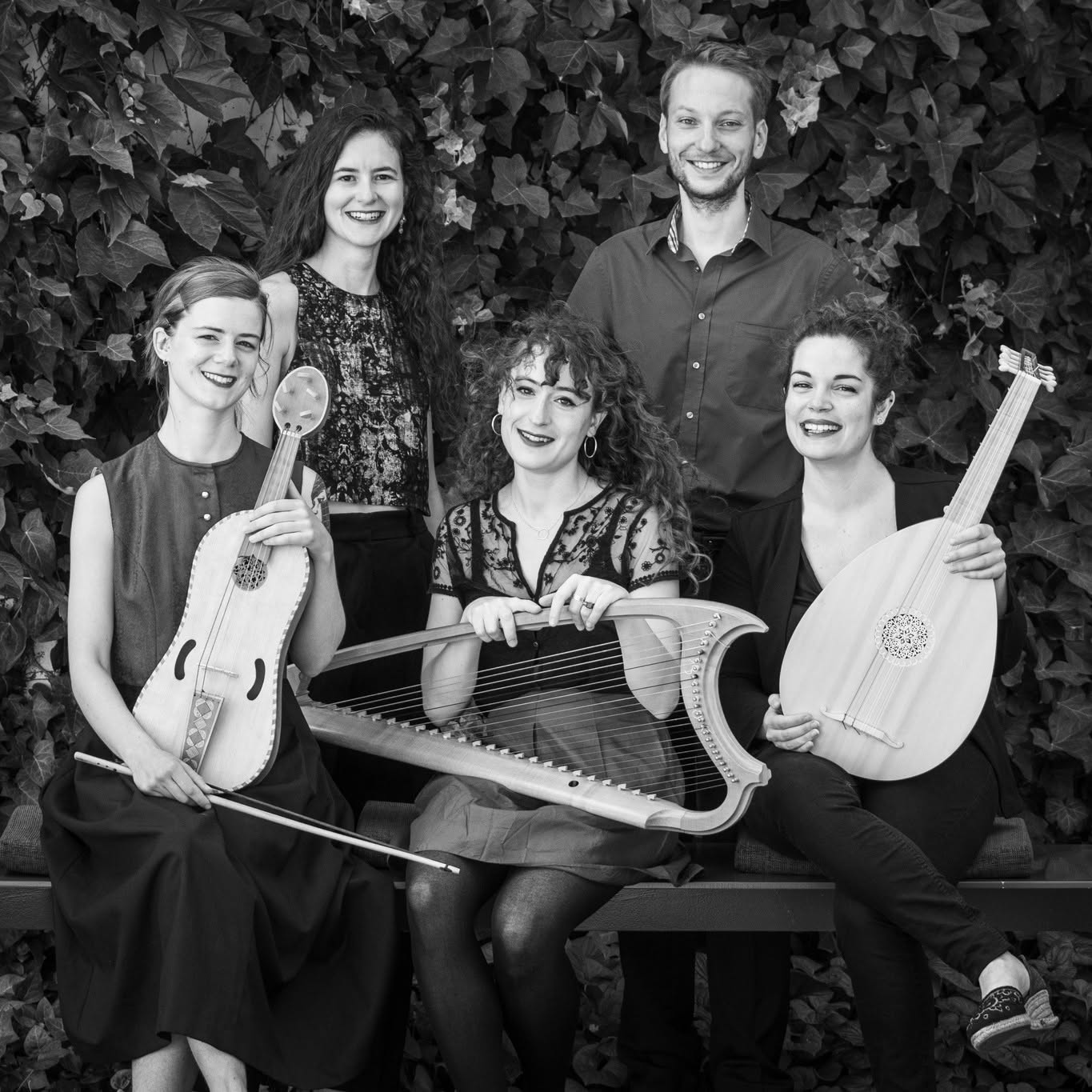
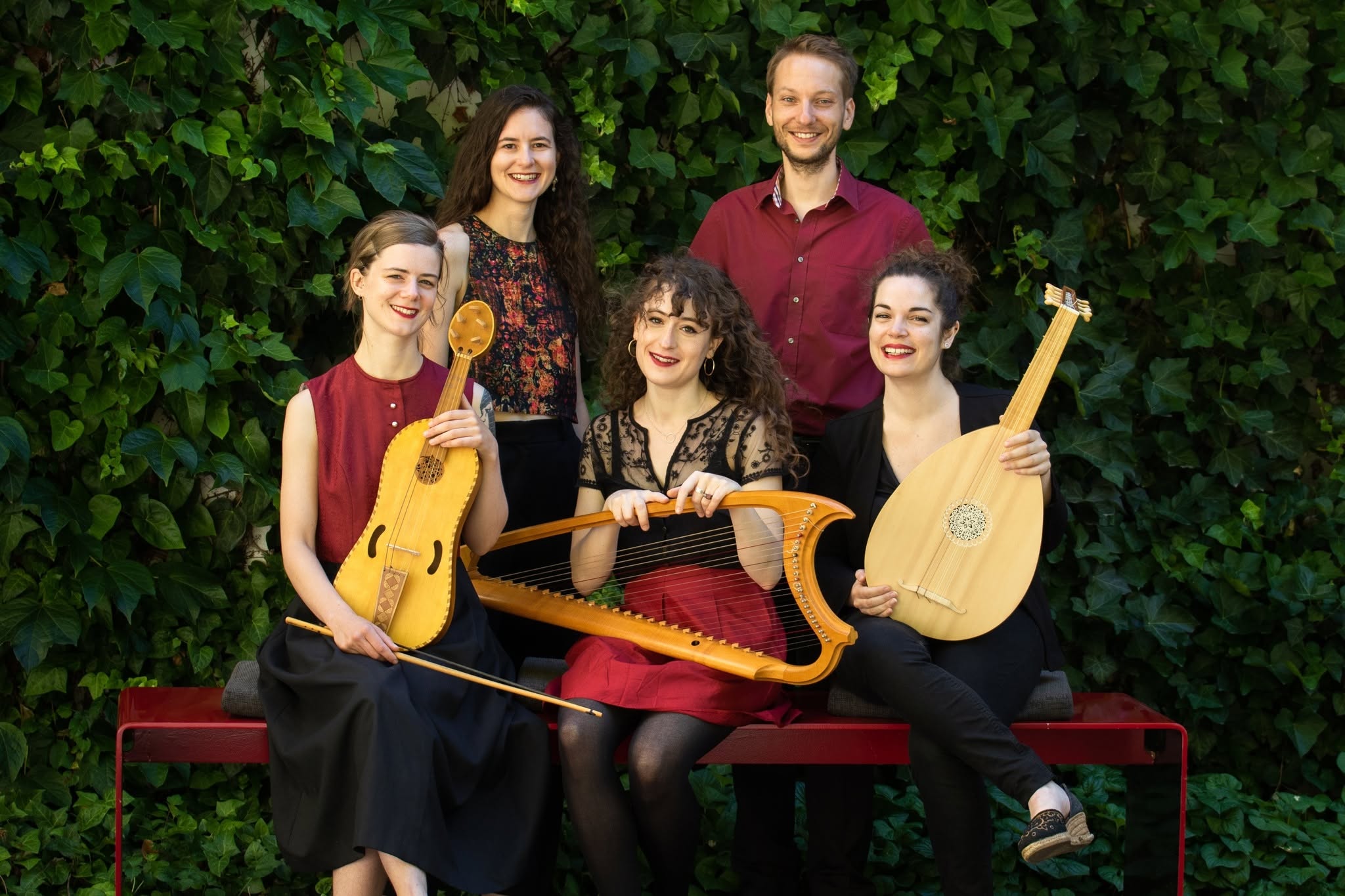
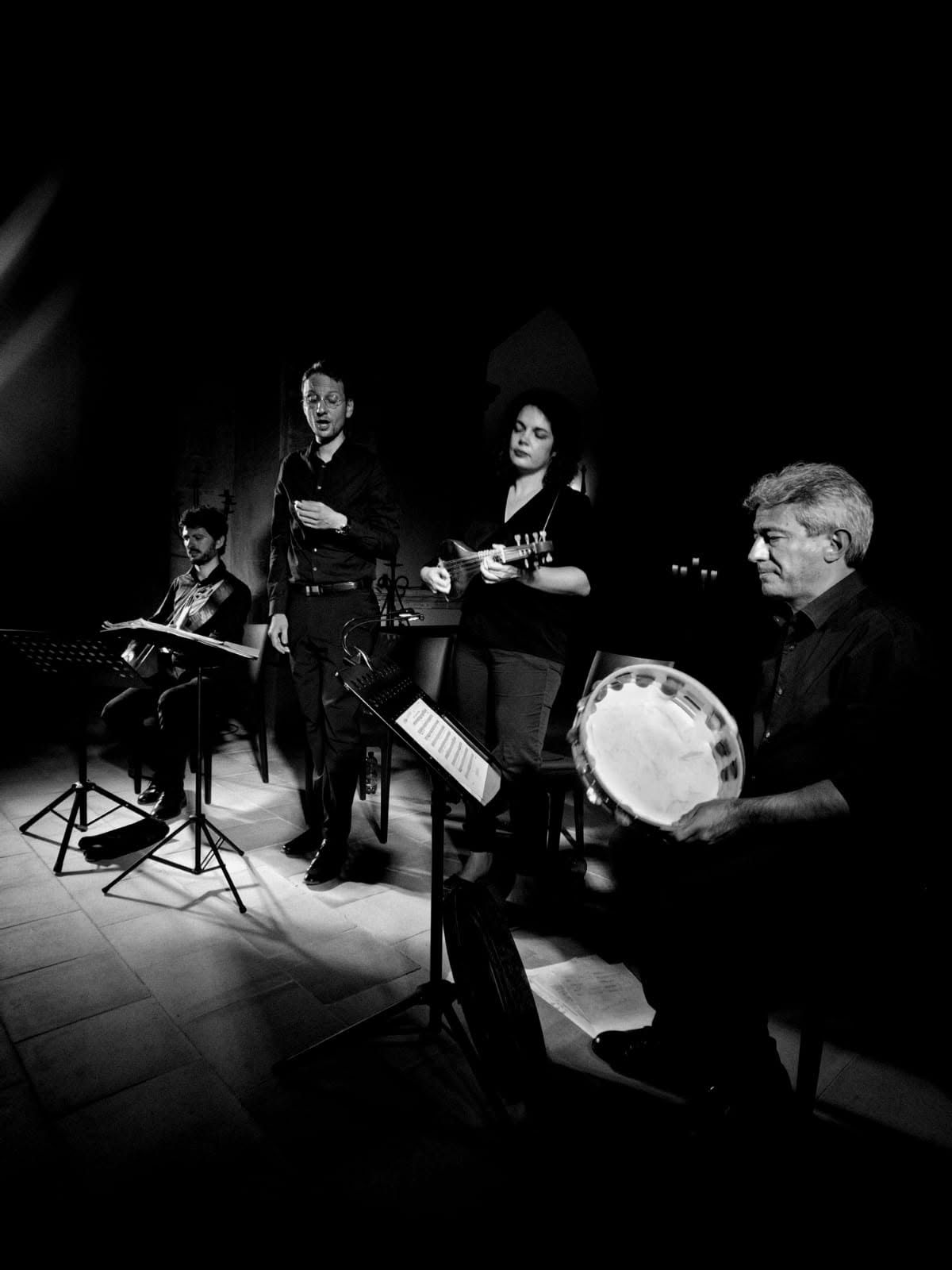
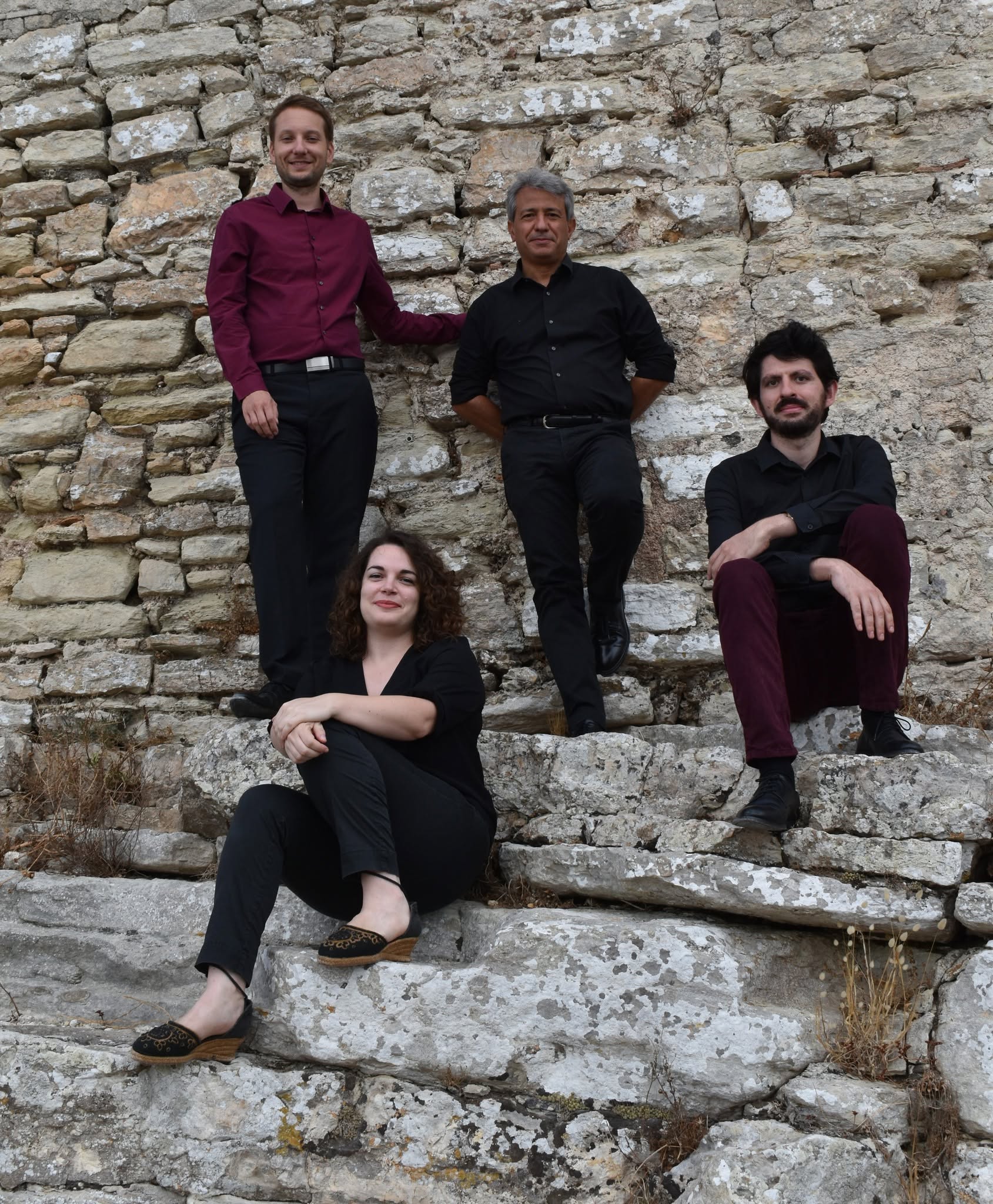
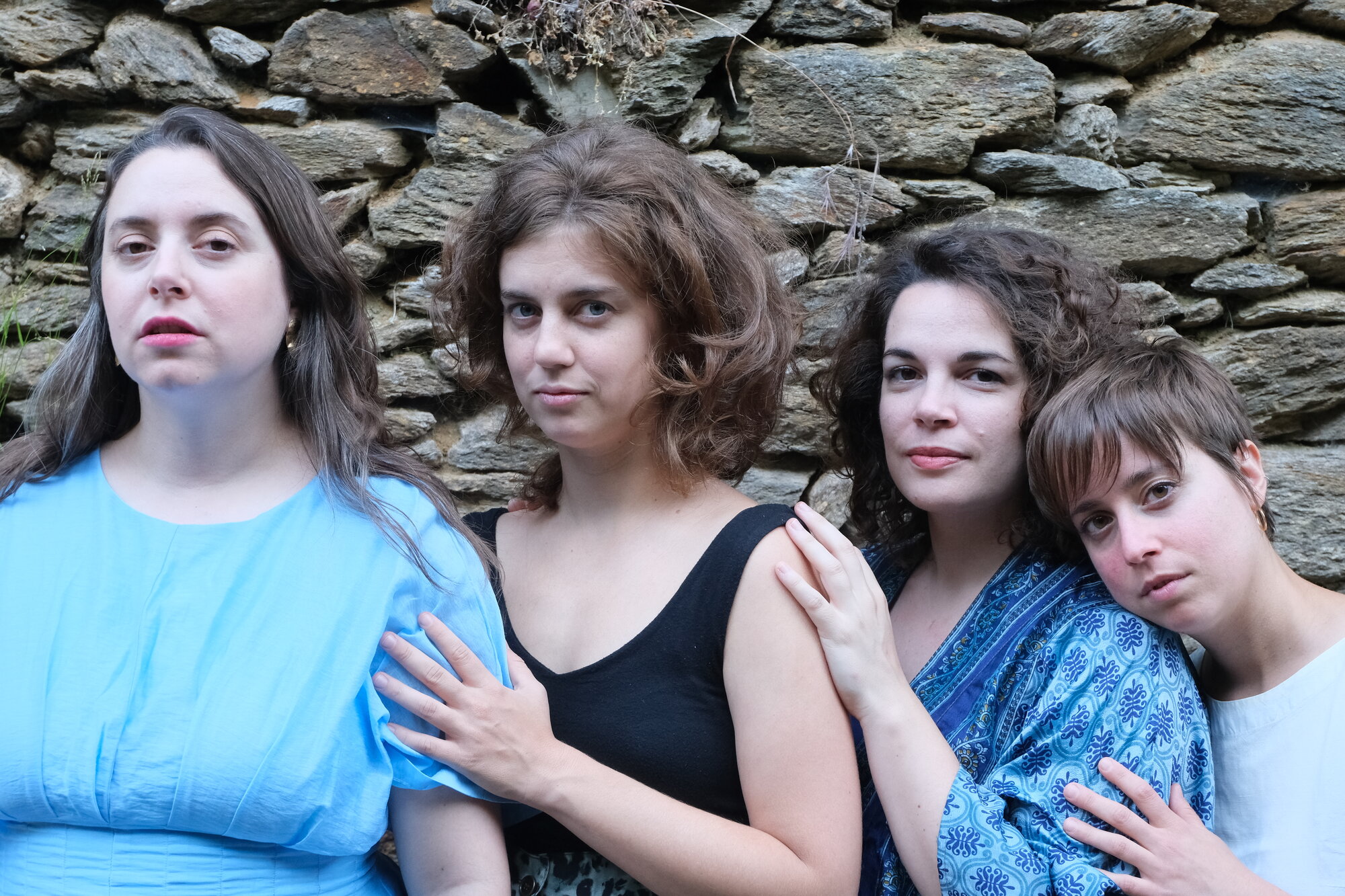
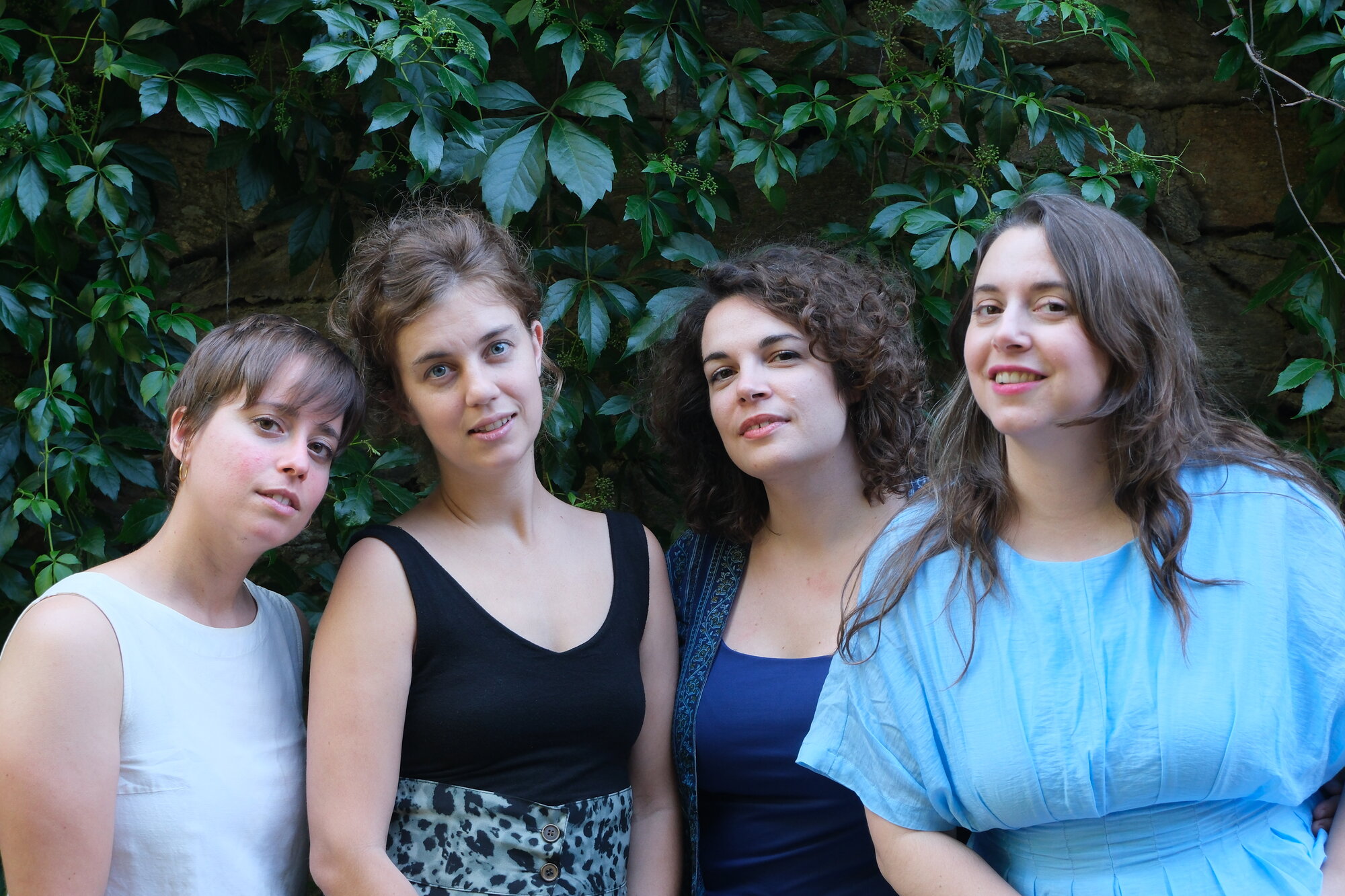
Three stories are told through instruments and voices: fiddle, flute, oud, chitarrino, and song alternate and interweave with the narration in a programme including music by Thibaut de Champagne, Lorenzo da Firenze, Francesco Landini, Guillaume de Machaut, anonymous pieces from the 12th to the 14th century, and original compositions by Sara Maria Fantini. On stage: Sara Maria Fantini (oud, chitarrino), Maud Haering (soprano), Valentine Lorentz (fiddle, recorder), and a storyteller (Sylvie Mombo/Julia Alimasi). The show, produced by Ensemble Oineroï in co-production with the Fondation Royaumont and the DRAC Île-de-France, is available in a school version (1h) and a full-length version (1h20).
The collaboration with Ensemble Micrologus represents one of the deepest roots of Sara Maria Fantini's musical journey: it was precisely a Micrologus concert, heard when she was in her early teens, that revealed to her the sound of the medieval lute and set the course of her career. Founded in 1984 by the Umbrian musicians Patrizia Bovi, Goffredo Degli Esposti, Gabriele Russo and Adolfo Broegg, Micrologus is one of the pioneering groups in the rediscovery and interpretation of medieval music (11th–15th centuries). Their approach is grounded in philological research into historical, palaeographical, organological and iconographic sources, and in the use of faithful reconstructions of period instruments. With more than forty years of activity, over thirty productions and around thirty recordings — including two awarded the Diapason d'Or de l'Année in France — Micrologus is today a European reference point for medieval music. Sara took part in the celebrations for the ensemble's fortieth anniversary in Assisi in September 2024, in a musical happening at the Rocca Maggiore.
Ensemble Rubens Rosa specialises in medieval and Renaissance music, with a particular focus on troubadour repertoire and on the vocal and instrumental polyphony of medieval Europe. The ensemble's flagship project brings to life the figure of Guiraut Riquier, one of the last troubadours, through his songs and the Cantigas de Santa Maria he encountered during his exile in Castile at the court of Alfonso the Wise. Drawing on the sounds of the bowed vielle, the gittern and the voice, the ensemble restores with delicacy and rigour a repertoire on the margins of the medieval music mainstream. Sara Maria Fantini collaborates with Rubens Rosa as a gittern and medieval lute player, bringing to the ensemble her specific experience in the Italian and Mediterranean repertoire of the Trecento.
La Chapelle des Ducs de Savoie is a male vocal ensemble founded in 2004, based in Switzerland, dedicated to the interpretation of music from the late Middle Ages and early Renaissance, with particular attention to the repertoire associated with the Savoyard court — one of the most important musical centres of the fifteenth century, still largely unexplored today. Its members are young Swiss and French professionals; the repertoire ranges from rarities of the Great Western Schism (Hasprois, Haucourt, the Apt and Ivrea manuscripts) to Brumel, Josquin and Isaac, with a constant presence of composers linked to the Savoyard court such as Dufay, Binchois and Nicolas de Merques. The ensemble has released three recordings (2008, 2013, 2023), received with favour by the international press. Sara Maria Fantini has collaborated as a lutenist, contributing with her instrument to the sonorous colour of a repertoire in which the medieval lute plays a chamber and harmonic support role within the vocal polyphony.